



Traveling abroad offers a unique opportunity to experience new cultures, cuisines, and perspectives. Yet beyond the excitement, international travel also comes with responsibilities that many travelers underestimate. Understanding local laws, navigating unfamiliar transportation systems, and maintaining personal safety are critical aspects of any successful trip. For those seeking deeper insights into global travel trends and practical advice, resources like https://mikebara.com/ provide valuable context that helps travelers prepare more effectively.
As global mobility continues to rise, so do the complexities of crossing borders. Each country operates within its own legal framework, cultural norms, and public safety expectations. What may be acceptable in one place could be illegal or even dangerous in another. Travelers who take the time to understand these differences are far more likely to avoid complications and enjoy a smoother journey.
Understanding Local Laws and Cultural Expectations
One of the most important yet often overlooked aspects of international travel is compliance with local laws. Legal systems vary significantly from country to country, and ignorance is rarely accepted as an excuse. Travelers are subject to the laws of the country they are visiting, regardless of their nationality.

For instance, regulations around controlled substances can be drastically different. Some countries impose severe penalties—even for small quantities—that might be treated more leniently elsewhere. Similarly, laws governing public behavior, such as dress codes, alcohol consumption, or public displays of affection, can carry legal consequences in more conservative societies.
Photography is another area where travelers may unintentionally violate local laws. In certain regions, taking pictures of government buildings, military installations, or even local residents without consent can result in fines or detention. It is always advisable to observe signage and, when in doubt, ask permission.
Cultural expectations often intersect with legal frameworks. In many countries, disrespecting religious sites or traditions is not only socially frowned upon but can also lead to legal trouble. Visitors to temples, mosques, or churches may be required to dress modestly or follow specific behavioral guidelines.
Additionally, visa regulations and immigration laws should not be taken lightly. Overstaying a visa—even by a few days—can result in fines, deportation, or future travel restrictions. Some countries also require travelers to carry identification at all times, and failure to present it upon request can lead to penalties.
Understanding these rules is not about limiting freedom but about ensuring respect for the host country and avoiding unnecessary risks. Preparation in this area often determines whether a trip remains enjoyable or becomes stressful.
Navigating Transportation and Circulation Systems
Transportation is another critical component of international travel that can significantly impact the overall experience. Each destination has its own system of circulation, including public transit, road rules, and pedestrian norms, all of which may differ from what travelers are accustomed to.

In many countries, public transportation is the most efficient way to move around. Systems such as subways, buses, and trains are often well-developed but can be confusing for first-time users. Language barriers, unfamiliar ticketing systems, and different schedules can create challenges. However, with proper research and the use of digital tools, navigating these systems becomes manageable.
Road rules are particularly important for those planning to rent a vehicle. Driving on the opposite side of the road, differing traffic laws, and unique signage can pose risks. In some countries, an international driving permit is required, while in others, local insurance regulations must be strictly followed.
Urban environments often have their own rhythm of movement. Pedestrian behavior varies widely; in some cities, crossing the street outside designated areas is common, while in others it is strictly enforced and can result in fines. Cyclists and motorbikes may also share the road in ways that are unfamiliar to visitors, requiring heightened awareness.
Airport procedures and border crossings are another aspect of circulation that travelers must handle carefully. Security protocols, customs declarations, and baggage regulations can vary significantly. Carrying restricted items, even unintentionally, can lead to delays or confiscation.
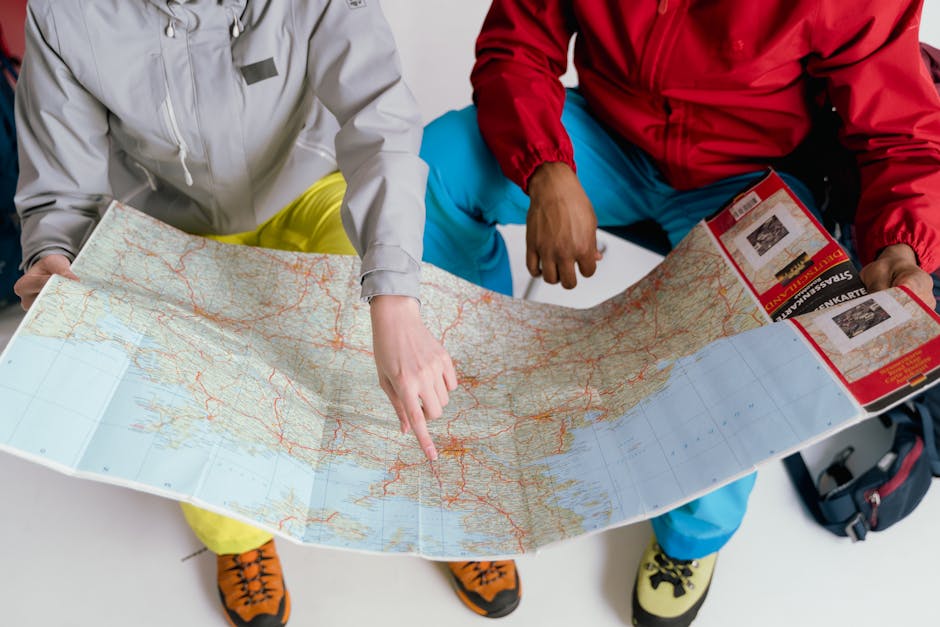
Digital navigation tools have made travel easier, but they are not foolproof. Internet access may be limited, and not all maps are up to date. Having a basic understanding of routes, key landmarks, and alternative options is always beneficial.
Ultimately, successful navigation depends on a combination of preparation, observation, and adaptability. Travelers who remain attentive to their surroundings and open to learning local systems are better equipped to move confidently and efficiently.
Safety Strategies for International Travelers
Safety remains one of the top concerns for anyone traveling abroad. While most destinations are relatively safe for tourists, risks do exist, and they vary depending on location, time, and circumstances. Being proactive about safety can significantly reduce the likelihood of encountering problems.
Petty crime, such as pickpocketing and theft, is one of the most common issues faced by travelers. Crowded areas like markets, public transportation hubs, and tourist attractions are often hotspots. Keeping valuables secure, using anti-theft bags, and staying aware of surroundings are simple yet effective measures.
Scams targeting tourists are another concern. These can range from overcharging for services to more elaborate schemes involving fake officials or misleading offers. Travelers should be cautious when approached by strangers offering unsolicited assistance or deals that seem too good to be true.
Health and medical safety are equally important. Access to healthcare varies widely across countries, and travelers should ensure they have adequate insurance coverage. Carrying basic medications, understanding local emergency numbers, and being aware of any required vaccinations are essential steps.
Natural risks should not be overlooked. Weather conditions, terrain, and environmental factors can pose challenges, especially for those engaging in outdoor activities. Researching seasonal conditions and following local advice can help prevent accidents.
Digital safety has also become increasingly relevant. Public Wi-Fi networks may not be secure, and personal data can be vulnerable to cyber threats. Using secure connections and avoiding sensitive transactions on public networks is advisable.
Another key aspect of safety is communication. Keeping family or friends informed about travel plans, maintaining access to emergency contacts, and knowing the location of one’s embassy or consulate can provide additional security.
Local awareness is perhaps the most valuable tool. Observing how residents behave, understanding social cues, and respecting local customs can help travelers blend in and avoid drawing unwanted attention. Confidence combined with caution often serves as the best defense.
Travel advisories issued by governments can also provide useful information about potential risks. While they should not deter travel unnecessarily, they offer insights into areas that may require extra vigilance.
In the end, safety is not about eliminating risk entirely but about managing it effectively. Well-informed travelers who take reasonable precautions are far more likely to have positive and memorable experiences.
Traveling abroad is both an exciting and complex endeavor. It requires more than just planning itineraries and booking accommodations; it demands an understanding of laws, systems, and safety considerations that shape each destination. By approaching travel with awareness and respect, individuals can navigate these challenges with confidence.
As international travel continues to evolve, so too does the need for reliable information and thoughtful preparation. Whether exploring bustling cities or remote landscapes, travelers who invest in understanding their destination are better positioned to make the most of their journey.