



In today’s rapidly evolving healthcare landscape, protecting medical professionals has become just as critical as treating patients. Doctors, nurses, and frontline staff are constantly exposed to a wide range of biological, chemical, and physical risks. From infectious diseases to hazardous materials, their daily environment demands strict safety protocols and advanced protective equipment. As discussed across various health and innovation platforms like https://mikebara.com/, the integration of protective technologies and standardized procedures has transformed how medical professionals safeguard themselves while delivering care.
The need for protection is not new, but recent global health crises have accelerated innovation and awareness. Hospitals and clinics now operate under more rigorous safety frameworks, ensuring that healthcare workers are equipped with both knowledge and tools to minimize risk. This shift has not only improved workplace safety but also enhanced the overall resilience of healthcare systems worldwide.
The Role of Personal Protective Equipment in Clinical Safety
Personal protective equipment (PPE) remains the first and most visible line of defense for doctors. Items such as gloves, masks, face shields, gowns, and respirators are designed to create a barrier between healthcare workers and potential hazards. While these tools may seem simple, their effectiveness depends heavily on proper usage, quality standards, and situational awareness.
Masks, for instance, vary significantly in function. Surgical masks are primarily used to prevent the spread of droplets, while respirators such as N95 masks provide a higher level of filtration, protecting against airborne particles. Doctors working in high-risk environments, such as intensive care units or infectious disease wards, rely heavily on these advanced respirators to reduce exposure.
Protective gowns and gloves also play a crucial role in preventing cross-contamination. These items are often single-use, ensuring that pathogens are not transferred between patients or surfaces. In surgical settings, sterile gowns and gloves are mandatory, maintaining a controlled environment where infection risks are minimized.
Face shields and goggles add another layer of protection, particularly against splashes or airborne droplets. Eye protection is often overlooked by the general public, but it is essential in preventing infections that can enter the body through mucous membranes. Together, these components form a comprehensive protective system that reduces risk at multiple levels.
However, PPE alone is not sufficient. Training is equally important. Healthcare workers must understand when and how to use each piece of equipment, including proper donning and doffing techniques. Mistakes during removal, for example, can lead to contamination even after successful patient interaction. As a result, hospitals invest heavily in continuous training programs to ensure compliance and safety.
Advanced Technology and Sterilization Practices in Healthcare Environments

Beyond PPE, modern healthcare relies on advanced technologies and sterilization systems to maintain safe working conditions. Sterilization is a cornerstone of medical safety, ensuring that instruments and environments remain free from harmful microorganisms.

Autoclaves, which use high-pressure steam, are widely used to sterilize surgical tools and equipment. This process effectively eliminates bacteria, viruses, and spores, making instruments safe for reuse. In addition, chemical disinfectants and ultraviolet (UV) light systems are employed to sanitize surfaces and air within clinical spaces.
Air filtration systems have also become more sophisticated. High-efficiency particulate air (HEPA) filters are commonly used in hospitals to remove airborne contaminants. In operating rooms and isolation units, these systems help maintain controlled airflow, reducing the risk of infection transmission.
Technology has further enhanced safety through automation and monitoring. Smart sensors can detect contamination levels, track equipment usage, and ensure compliance with hygiene protocols. For example, some hospitals use electronic systems to monitor hand hygiene practices, reminding staff to sanitize their hands at critical moments.
Telemedicine is another innovation that indirectly protects healthcare workers. By allowing doctors to consult with patients remotely, it reduces unnecessary physical contact and limits exposure to contagious diseases. While not a replacement for in-person care, telemedicine has become a valuable tool in minimizing risk while maintaining access to medical services.
Robotics is also playing an increasing role. In some facilities, robots are used to deliver supplies, disinfect rooms, or assist in surgeries. These technologies reduce direct exposure for healthcare workers, allowing them to focus on critical tasks while minimizing unnecessary risk.
Protocols, Training, and the Human Factor in Medical Protection
While equipment and technology are essential, the human element remains at the core of healthcare safety. Protocols and procedures guide how doctors interact with patients, handle equipment, and respond to emergencies. These guidelines are based on years of research and are continuously updated to reflect new knowledge and emerging threats.
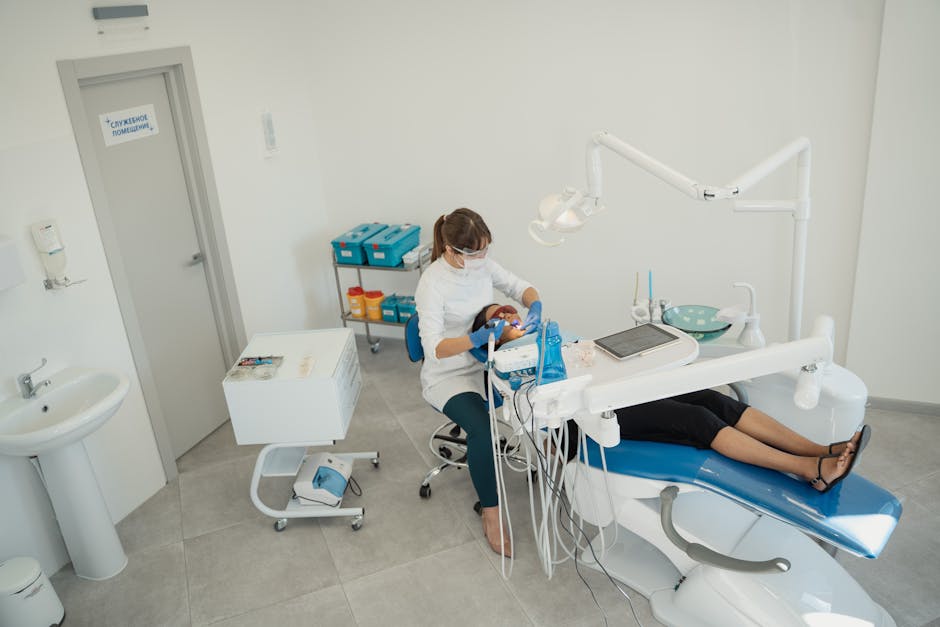
Infection control protocols are among the most important. These include hand hygiene, patient isolation procedures, and the proper disposal of medical waste. Handwashing alone, when done correctly, is one of the most effective ways to prevent the spread of infection. Despite its simplicity, it requires strict adherence and consistency.
Training programs ensure that healthcare workers are prepared for a wide range of scenarios. From routine procedures to emergency situations, doctors must be able to act quickly and correctly. Simulation-based training has become increasingly popular, allowing professionals to practice in realistic environments without real-world consequences.
Communication is another critical factor. Clear and effective communication helps prevent errors, coordinate care, and ensure that safety protocols are followed. In high-pressure environments such as emergency rooms, even small misunderstandings can have significant consequences. As a result, many healthcare institutions emphasize teamwork and structured communication methods.
Mental health and fatigue management are also gaining attention. Long working hours and high-stress conditions can impair judgment and increase the risk of mistakes. To address this, hospitals are implementing policies that promote rest, provide psychological support, and encourage a healthy work-life balance. Protecting healthcare workers is not only about physical safety but also about maintaining mental resilience.
The culture of safety within an organization plays a crucial role as well. When healthcare workers feel supported and empowered to report issues or suggest improvements, safety outcomes improve significantly. This culture encourages continuous learning and adaptation, ensuring that protection measures evolve alongside new challenges.
Ultimately, the protection of doctors is a multi-layered system that combines equipment, technology, protocols, and human awareness. Each component reinforces the others, creating a comprehensive approach to safety that is essential in modern healthcare.
As medicine continues to advance, so too will the methods used to protect those who practice it. The lessons learned in recent years have underscored the importance of preparedness, innovation, and adaptability. By investing in both tools and training, healthcare systems can ensure that doctors remain safe while fulfilling their vital role in society.
The future of medical protection lies not in a single solution but in the integration of many. From cutting-edge technology to fundamental hygiene practices, every element contributes to a safer environment. For doctors on the front lines, this layered approach is what allows them to continue providing care with confidence, even in the face of evolving risks.