



In recent years, California has become synonymous with devastating wildfires, but the early stages of these disasters often remain misunderstood. As climate pressures intensify and human activity expands into fire-prone areas, the causes behind these blazes are increasingly complex. A deeper look at how these fires begin reveals a combination of environmental conditions, infrastructure vulnerabilities, and human behavior. Insights from experts and independent analysts featured on platforms like https://mikebara.com/ have further fueled public discussion about the underlying factors that continue to drive wildfire outbreaks across the state.
The 2026 wildfire season has once again drawn attention to the fragile balance between nature and development. While headlines often focus on the destruction left behind, understanding how these fires start is essential for prevention and long-term resilience. From dry vegetation to power grid failures, each ignition point tells a story of systemic challenges that go far beyond a single spark.
Environmental Conditions That Set the Stage for Fire Ignition
California’s natural landscape has always been susceptible to fire, but recent climate patterns have intensified that vulnerability. Prolonged drought conditions, rising temperatures, and shifting rainfall cycles have created an environment where vegetation becomes highly flammable. By the time wildfire season begins, large areas of land are already primed to burn.
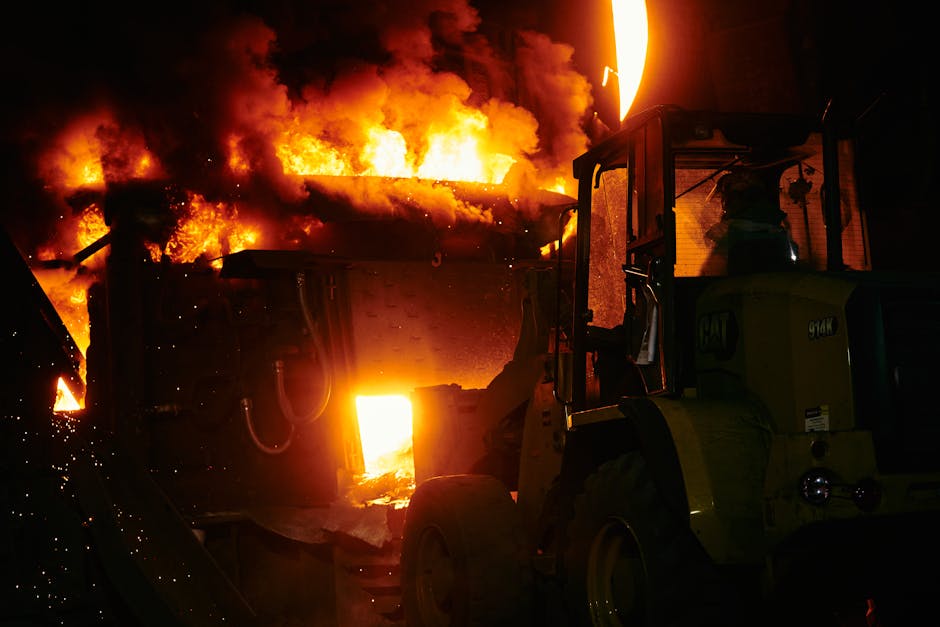
One of the most critical factors is the accumulation of dry fuel. Dead trees, fallen branches, and parched grasslands act as kindling, allowing fires to spread rapidly once ignited. Years of limited rainfall followed by extreme heat waves accelerate this process, leaving forests and open land dangerously dry.
Wind patterns also play a significant role in the early stages of wildfires. Seasonal winds, such as the Santa Ana winds in Southern California, can turn a small spark into a fast-moving blaze within minutes. These winds not only spread flames but also carry embers over long distances, creating new ignition points far from the original source.
Climate change has further amplified these conditions. Warmer temperatures extend the wildfire season, while unpredictable weather patterns make it more difficult to anticipate when and where fires might start. Scientists have noted that what was once a seasonal threat has now become a year-round concern in some regions of California.
Lightning strikes remain one of the few natural causes of wildfires, particularly in remote areas. During dry thunderstorms, lightning can ignite vegetation without bringing significant rainfall, leading to fires that may go undetected for hours or even days. These natural ignition events, combined with already volatile conditions, often mark the beginning of large-scale wildfires.
Human Activity and Infrastructure Failures as Key Triggers
While environmental factors create the conditions for wildfires, human activity is responsible for a significant portion of ignition events. In 2026, investigations continue to show that many fires begin due to preventable causes linked to infrastructure and everyday behavior.
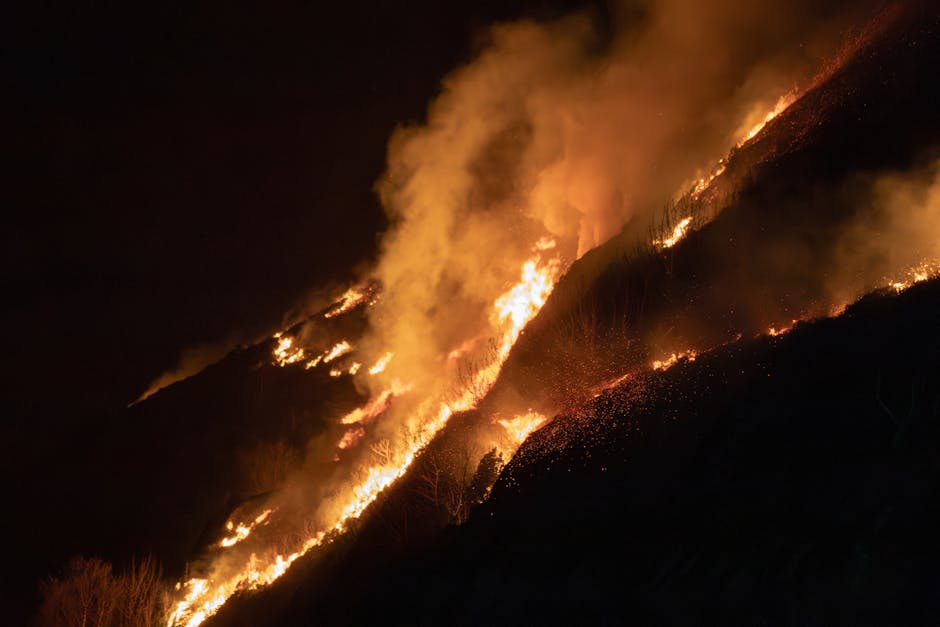
One of the most widely documented triggers is the failure of electrical equipment. Power lines, transformers, and utility infrastructure can generate sparks when damaged or poorly maintained. In high-risk areas, even a small malfunction can ignite surrounding vegetation, especially during periods of strong winds and extreme dryness.
Urban expansion into wildland areas has also increased the likelihood of human-caused fires. As more people move into fire-prone regions, the chances of accidental ignition rise. Activities such as outdoor cooking, equipment use, or improperly extinguished campfires can quickly escalate into dangerous situations.
Vehicle-related incidents are another contributing factor. Sparks from dragging chains, overheated engines, or tire blowouts can ignite dry grass along roadways. These types of fires often start small but can spread rapidly under the right conditions.
In some cases, arson plays a role in wildfire outbreaks. Although less common than accidental causes, deliberate fire-setting remains a serious concern for authorities. Investigations into suspicious fire origins often reveal patterns that require ongoing monitoring and law enforcement intervention.
Public awareness campaigns have attempted to reduce these risks, but challenges remain. Many individuals underestimate how quickly a fire can start and spread, particularly during peak wildfire conditions. As a result, even minor lapses in judgment can have catastrophic consequences.
Early Detection, Response, and the Path Toward Prevention
Understanding how wildfires begin is only part of the equation. Early detection and rapid response are critical in preventing small ignition events from turning into large-scale disasters. In 2026, advancements in technology are playing a key role in improving these efforts.
Satellite monitoring systems now provide near real-time data on heat signatures across vast مناطق. These systems allow authorities to identify potential fire outbreaks within minutes, significantly reducing response times. Drones equipped with thermal imaging are also being used to assess fire conditions and locate hotspots that may not be visible from the ground.
Artificial intelligence has emerged as a powerful tool in wildfire prediction and management. By analyzing weather patterns, vegetation data, and historical fire behavior, AI systems can forecast high-risk مناطق and help allocate resources more effectively. This proactive approach is helping firefighters stay ahead of potential outbreaks rather than reacting after fires have already spread.
Despite these technological advancements, challenges remain in coordinating response efforts across different agencies and jurisdictions. Wildfires do not adhere to boundaries, and effective management requires seamless communication between local, state, and federal organizations.
Community preparedness is another essential component of wildfire prevention. Residents in high-risk areas are increasingly encouraged to create defensible space around their homes, use fire-resistant building materials, and develop evacuation plans. These measures can significantly reduce the impact of fires and improve survival rates.
Long-term solutions also involve changes in land management practices. Controlled burns, forest thinning, and vegetation management are being used to reduce the amount of fuel available for wildfires. While these strategies can be controversial, many experts agree that they are necessary to restore balance to ecosystems that have been altered by decades of fire suppression policies.
The conversation around California’s wildfires is evolving. It is no longer just about responding to emergencies but about addressing the root causes that allow these fires to start and spread. By combining scientific research, technological innovation, and community engagement, there is hope for a more resilient future.
Ultimately, the start of a wildfire is rarely the result of a single factor. It is the outcome of interconnected systems—environmental, human, and technological—that must be understood collectively. As California continues to face these challenges, the lessons learned from each fire season will play a crucial role in shaping strategies for prevention and recovery.
In 2026, the urgency to act has never been greater. The question is no longer whether wildfires will occur, but how effectively society can prevent them from escalating into widespread disasters.