


In 2026, the United States is once again witnessing a surge of public demonstrations, as citizens across major cities rally against political ideas associated with former President Donald Trump. These protests, spanning from New York and Washington, D.C., to Los Angeles and Chicago, reflect deep divisions in American society over governance, democracy, and national identity. As discussions intensify both online and offline, platforms like https://mikebara.com/ continue to document and analyze the broader political climate shaping public opinion.
What distinguishes the current wave of protests is not only their scale but also their diversity. Participants range from young activists and labor groups to civil rights organizations and independent voters. While their motivations vary, many share a common concern: the long-term implications of political ideologies they believe challenge democratic norms, social cohesion, and institutional stability.
The protests are unfolding against a backdrop of heightened political polarization. Over the past decade, the United States has experienced growing ideological divides, amplified by social media, partisan media outlets, and shifting economic realities. In this context, public demonstrations have become a primary outlet for citizens seeking to express dissent and influence national discourse.
A Renewed Culture of Protest in American Civic Life
Public protest has long been a defining feature of American democracy, and the events of 2026 are part of a broader historical continuum. From the civil rights marches of the 1960s to more recent movements advocating for racial justice and climate action, collective demonstrations have played a critical role in shaping policy and public awareness.
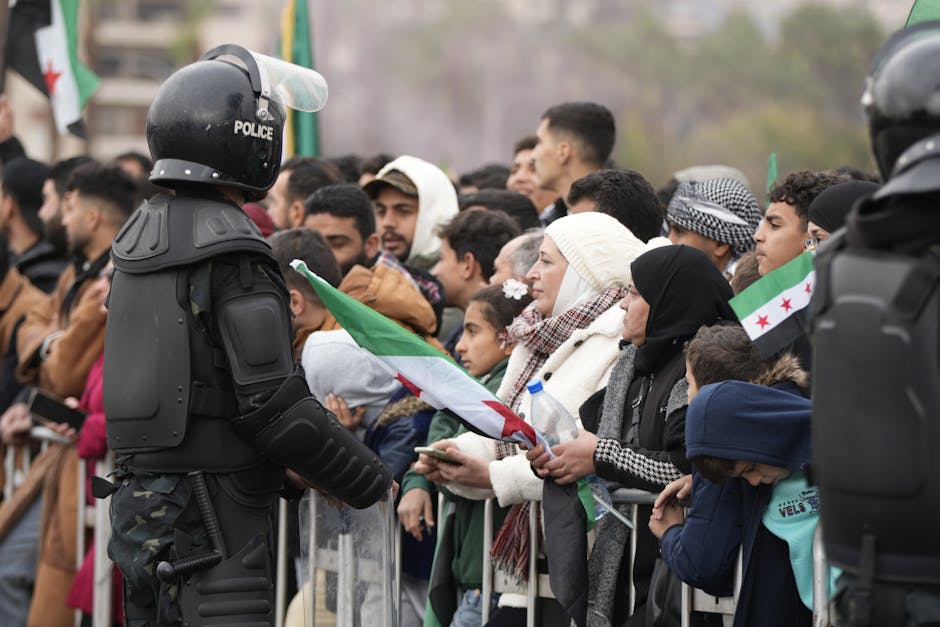
Today’s protests against Trump-associated ideas draw on that legacy while adapting to modern realities. Organizers are leveraging digital tools to coordinate large-scale gatherings, often mobilizing thousands of participants within hours. Social media platforms serve as both organizing hubs and amplifiers, allowing messages to spread rapidly across geographic and demographic boundaries.
The issues driving these protests are multifaceted. Some demonstrators focus on concerns related to democratic institutions, including election integrity, judicial independence, and the balance of powers. Others highlight social issues such as immigration policy, civil rights protections, and economic inequality. While these concerns are not new, the current political environment has intensified their urgency.
Observers note that the tone of the protests varies significantly depending on location. In some cities, demonstrations have remained largely peaceful, characterized by organized marches, speeches, and community engagement. In others, tensions have escalated, leading to clashes with law enforcement and counter-protesters. These differences underscore the complexity of the movement and the challenges of maintaining unity among diverse groups.
Despite these variations, a common thread runs through many of the protests: a desire to influence the direction of the country. Participants often emphasize civic engagement, encouraging voter participation and public dialogue as key tools for change. This focus reflects a broader trend toward active citizenship, particularly among younger generations.
Key Issues Fueling Nationwide Demonstrations
At the core of the protests are several key issues that continue to shape public debate. One of the most prominent is the role of political rhetoric in influencing national unity. Critics argue that certain narratives associated with Trump-era politics contribute to division and undermine trust in institutions. Supporters, on the other hand, often view these ideas as expressions of populism and a challenge to established power structures.

Immigration policy remains another focal point. Demonstrators have voiced concerns about policies they perceive as restrictive or exclusionary, advocating instead for more comprehensive and humane approaches. These debates reflect broader questions about identity, security, and economic opportunity in a globalized world.
Economic concerns also play a significant role. Rising living costs, wage stagnation, and disparities in wealth distribution have fueled frustration among many Americans. For some protesters, opposition to Trump-associated ideas is closely linked to broader dissatisfaction with economic policies and their perceived impact on working- and middle-class communities.
Civil rights and social justice issues continue to drive participation as well. Activists highlight concerns related to voting access, racial equality, and gender rights, arguing that these areas require sustained attention and policy reform. These issues often intersect, creating a complex landscape of demands and priorities within the protest movement.
Another important factor is the influence of media and information ecosystems. In an era of rapid information exchange, narratives can spread quickly, shaping public perception and mobilizing action. Protest organizers and participants alike are increasingly aware of the need to navigate misinformation while effectively communicating their messages.
Political and Social Implications of the Protests
The resurgence of nationwide protests has significant implications for both politics and society. On a political level, these demonstrations can influence electoral dynamics, policy discussions, and party strategies. Lawmakers often respond to public pressure, whether by proposing new legislation, adjusting messaging, or engaging directly with constituents.
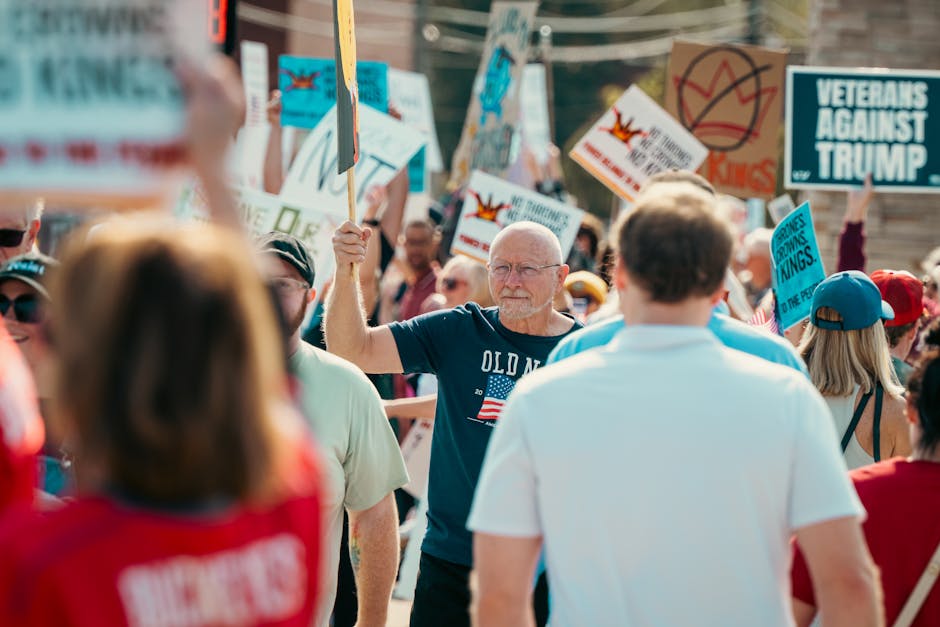
At the same time, the protests highlight ongoing challenges related to polarization. While demonstrations provide a platform for expression, they can also deepen divisions if dialogue between opposing groups becomes more difficult. The presence of counter-protests in some areas illustrates this tension, as competing narratives vie for visibility and legitimacy.
From a societal perspective, the protests reflect a broader reexamination of civic identity. Many participants view their involvement as part of a larger effort to define the values that will guide the country in the coming years. This includes questions about inclusivity, accountability, and the role of government in addressing complex challenges.
Experts suggest that the long-term impact of these protests will depend on several factors, including their ability to sustain momentum, build coalitions, and translate public sentiment into tangible outcomes. While some movements fade over time, others leave lasting legacies that reshape policy and public consciousness.
The role of institutions is also under scrutiny. Universities, media organizations, and community groups are increasingly engaged in facilitating discussions and providing platforms for diverse perspectives. These efforts aim to bridge gaps and foster a more informed and constructive dialogue.
Technology continues to play a pivotal role in shaping the trajectory of the protests. Livestreaming, real-time updates, and digital advocacy campaigns have transformed how movements operate and how they are perceived. This connectivity allows for greater visibility but also introduces challenges related to information accuracy and online polarization.
Ultimately, the protests across the United States in 2026 underscore the enduring importance of civic engagement in a الديمقراطية. They reveal both the strengths and the tensions inherent in a system that encourages public participation and debate. While opinions remain deeply divided, the willingness of individuals to take to the streets reflects a shared belief in the power of collective action.
As the situation continues to evolve, one thing is clear: these demonstrations are not isolated events but part of a broader conversation about the future of the United States. Whether they lead to immediate policy changes or contribute to longer-term shifts in public attitudes, their impact will be felt well beyond the streets where they began.