


The way we capture events has undergone a profound transformation over the past century. What began as a slow, mechanical process reliant on film has evolved into a highly sophisticated digital ecosystem capable of recording moments in real time, in stunning clarity, and with remarkable precision. Today, cameras are not just tools for documentation—they are instruments that shape how events are experienced, shared, and remembered. As audiences increasingly demand immersive, high-quality content, platforms like https://mikebara.com/ reflect a growing interest in the intersection of technology, storytelling, and visual media.
The evolution of cameras in event recording mirrors broader technological progress. From early analog systems to modern AI-powered devices, each stage of development has expanded the possibilities of capturing reality. This transformation has not only improved image quality but also changed the speed, accessibility, and creativity involved in documenting events—from weddings and concerts to global broadcasts and breaking news.
The Early Foundations of Event Recording Technology
The earliest cameras used for recording events were limited by both technology and practicality. In the late 19th and early 20th centuries, photography relied heavily on film, which required careful handling, precise exposure settings, and time-consuming development processes. Capturing an event meant working within strict constraints—limited frames, no instant feedback, and a high risk of error.
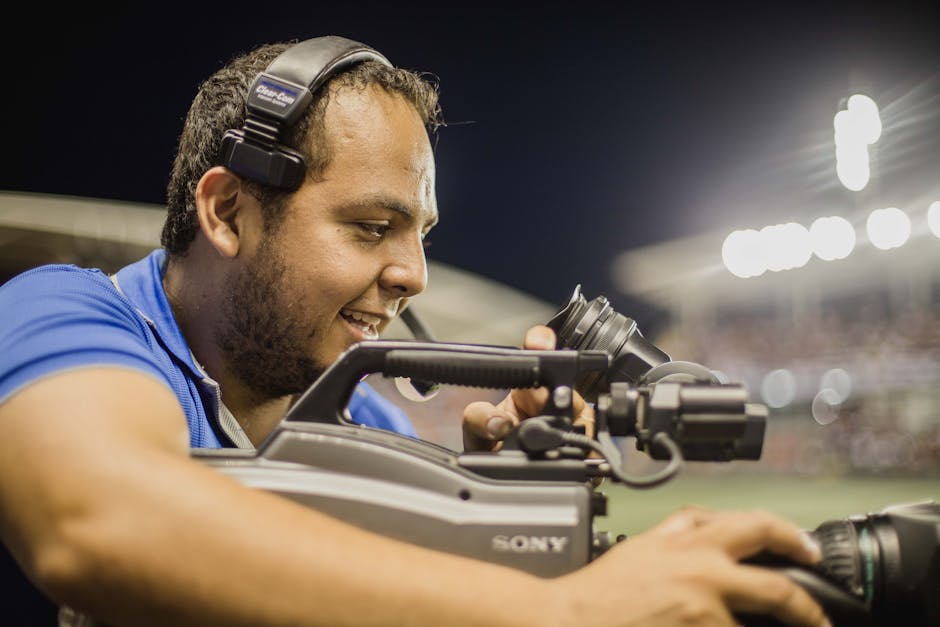
Motion picture cameras marked a significant breakthrough, allowing events to be recorded as moving images rather than still photographs. However, these devices were bulky, expensive, and required specialized knowledge to operate. Early event recordings were therefore reserved for major occasions, such as historical events or staged productions, rather than everyday moments.
The introduction of portable film cameras gradually expanded access, enabling journalists and documentarians to capture real-world events more frequently. Still, limitations remained. Lighting conditions had to be carefully controlled, and editing required physical manipulation of film reels. The process was labor-intensive, making it difficult to produce and distribute content quickly.
Analog video cameras in the mid-20th century brought further improvements. These devices allowed for continuous recording and playback, making them more practical for events such as live performances and television broadcasts. However, image quality was often inconsistent, and storage relied on magnetic tapes that degraded over time. Despite these challenges, analog technology laid the groundwork for modern video recording by introducing concepts such as real-time capture and broadcast.
The Digital Revolution and the Rise of High-Definition Recording
The transition from analog to digital technology marked one of the most significant turning points in the history of cameras. Digital cameras eliminated the need for film, replacing it with electronic sensors that could capture and store images instantly. This innovation dramatically increased efficiency and accessibility, allowing more people to record events with greater ease.

One of the most important advancements during this period was the development of high-resolution image sensors. These sensors enabled cameras to capture finer details, improved color accuracy, and better performance in low-light conditions. As a result, event recordings became clearer, more vibrant, and more lifelike.
The introduction of high-definition (HD) video further transformed the industry. Events could now be recorded with a level of clarity that closely resembled real-life viewing. This was particularly impactful for industries such as broadcasting, filmmaking, and live entertainment, where visual quality plays a critical role in audience engagement.
Storage and editing also became more efficient in the digital era. Memory cards replaced physical tapes, allowing for faster data transfer and easier organization. Editing software enabled creators to manipulate footage with precision, adding effects, correcting errors, and enhancing overall quality without the need for complex physical processes.
Another key development was the rise of consumer-level digital cameras. Devices became smaller, more affordable, and more user-friendly, empowering individuals to record personal events such as weddings, birthdays, and travel experiences. This democratization of technology contributed to a cultural shift, where documenting everyday life became a common practice.
The integration of cameras into smartphones further accelerated this trend. Modern smartphones are equipped with advanced camera systems capable of recording high-definition and even 4K video. This has made event recording more spontaneous and accessible than ever before, enabling users to capture and share moments instantly through social media and digital platforms.
Modern Innovations: AI, 4K Video, and Immersive Event Experiences
In 2026, camera technology continues to evolve at a rapid pace, driven by advancements in artificial intelligence, computational photography, and immersive media. Modern cameras are no longer passive recording devices—they actively enhance and interpret the scenes they capture.
AI-powered features such as autofocus tracking, scene recognition, and real-time image optimization have significantly improved the quality of event recordings. Cameras can now automatically adjust settings based on lighting conditions, subject movement, and environmental factors, ensuring consistent results even in challenging situations.
The widespread adoption of 4K and even 8K video has set new standards for visual clarity. These ultra-high-definition formats allow viewers to experience events with unprecedented detail, making recordings more immersive and engaging. This is particularly important for large-scale events such as concerts, sports competitions, and conferences, where capturing the atmosphere is essential.
Stabilization technology has also advanced considerably. Modern cameras use a combination of optical and digital stabilization to reduce motion blur and produce smooth footage, even when recording handheld or in dynamic environments. This has expanded the possibilities for capturing events in real time without the need for bulky equipment.
Another major trend is the rise of live streaming. Cameras are now equipped with connectivity features that enable real-time broadcasting to global audiences. This has transformed how events are shared, allowing people to participate remotely and experience moments as they happen. From corporate events to personal celebrations, live streaming has become an integral part of modern event recording.
Virtual reality (VR) and 360-degree cameras are pushing the boundaries even further. These technologies allow viewers to explore events from multiple perspectives, creating a more interactive and immersive experience. Instead of simply watching an event, audiences can feel as though they are part of it.
Looking ahead, the future of camera technology is likely to focus on even greater integration between hardware and software. Innovations in computational imaging, machine learning, and sensor design will continue to enhance image quality and expand creative possibilities. At the same time, cameras will become more intuitive, adapting seamlessly to user needs and environmental conditions.
Ultimately, the evolution of cameras in event recording reflects a broader shift toward immediacy, accessibility, and immersion. What once required specialized equipment and expertise can now be achieved with devices that fit in the palm of your hand. As technology continues to advance, the ability to capture and share meaningful moments will only become more powerful, shaping how we document and experience the world around us.