


In an era where digital overload and fast-paced routines dominate everyday life, families are increasingly searching for ways to reconnect while maintaining both productivity and health. What was once considered simple leisure time is now being redefined as a strategic tool for improving physical wellbeing, mental clarity, and even work performance. Across different cultures and lifestyles, engaging in fun family activities is emerging as a powerful solution to balance modern demands. As more households explore holistic lifestyle ideas through platforms like https://mikebara.com/, the focus is shifting toward meaningful, shared experiences that contribute to long-term wellbeing.
The growing interest in family-centered activities is not accidental. Research consistently shows that strong family bonds are closely linked to better mental health, reduced stress levels, and improved overall life satisfaction. In 2026, these benefits are being viewed through a more practical lens: how can family time actively support productivity and healthy living? The answer lies in how these activities are structured, prioritized, and integrated into daily routines.
Families are no longer separating “work time” and “family time” as strictly as before. Instead, they are blending the two in ways that enhance both. Whether it’s cooking meals together, engaging in outdoor sports, or participating in creative projects, these shared moments are becoming opportunities to recharge, refocus, and build resilience. This shift reflects a broader understanding that productivity is not just about output—it is about sustaining energy, motivation, and mental balance over time.
Active Family Routines That Improve Physical Health and Energy Levels
One of the most visible trends in modern households is the rise of physically engaging family activities. Rather than relying solely on individual workouts or gym sessions, families are increasingly choosing to stay active together. This approach not only promotes fitness but also creates a supportive environment that encourages consistency.

Activities such as cycling, hiking, swimming, and even simple evening walks are becoming part of regular family routines. These shared experiences make exercise feel less like a chore and more like an enjoyable habit. For children, this establishes a positive relationship with physical activity early in life. For adults, it provides motivation and accountability that is often missing in solo routines.
Health experts emphasize that moderate, consistent movement is more sustainable than intense but irregular workouts. Family-based activities naturally align with this principle. Instead of pushing for extreme performance, they focus on maintaining steady energy levels and improving overall mobility. This is particularly important in preventing long-term health issues such as cardiovascular disease, obesity, and metabolic disorders.
Beyond physical benefits, these activities also play a role in boosting daily energy. Regular movement improves circulation, enhances oxygen flow, and supports better sleep quality. As a result, individuals often experience higher levels of alertness and productivity throughout the day. When families adopt these habits together, the impact is amplified across all members.
Another advantage is the reduction of sedentary behavior, which has become a major concern in the digital age. With more people working remotely and spending extended hours in front of screens, incorporating active family time helps counterbalance inactivity. Even short bursts of movement, when done consistently, can significantly improve long-term health outcomes.
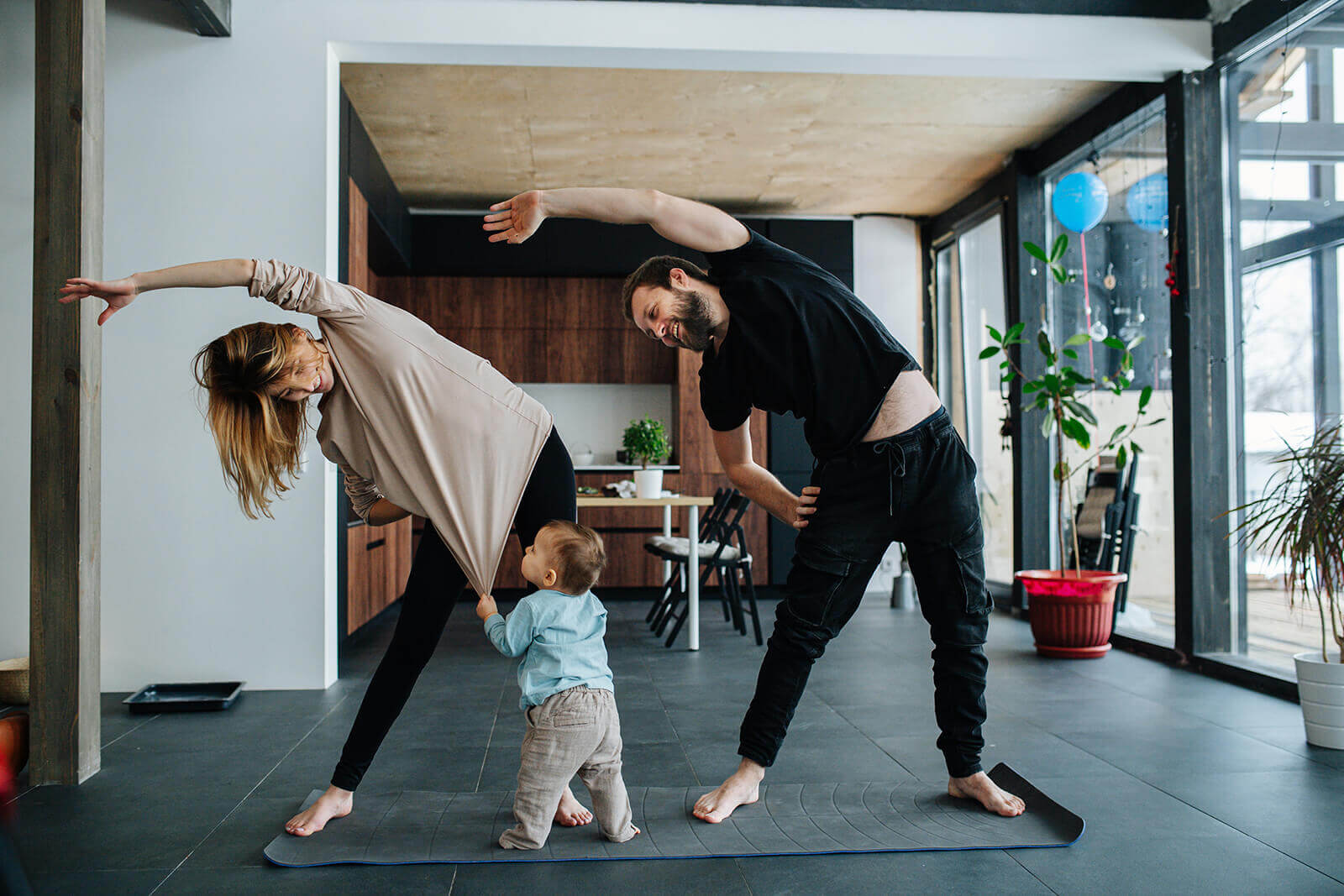
Importantly, these routines do not require expensive equipment or specialized training. Simple activities such as playing in the park, practicing yoga at home, or participating in weekend sports are enough to create meaningful health benefits. The key is consistency and enjoyment—two factors that family involvement naturally supports.
Strengthening Mental Resilience Through Shared Experiences
While physical health is a major component, the psychological benefits of family activities are equally significant. In today’s high-pressure environment, stress and mental fatigue have become common challenges. Engaging in fun, shared experiences offers a natural way to manage these pressures and build emotional resilience.

Spending quality time with family creates a sense of belonging and security, which is essential for mental wellbeing. It provides a break from external stressors and allows individuals to reconnect with what truly matters. This emotional grounding can improve focus, decision-making, and overall productivity.
Creative activities, in particular, have gained popularity as tools for mental relaxation. Families are exploring hobbies such as painting, gardening, cooking, and DIY projects. These activities encourage mindfulness, allowing participants to be fully present in the moment. This state of engagement reduces anxiety and promotes a sense of accomplishment.
Communication also plays a crucial role. Family activities create opportunities for open dialogue, helping members share thoughts, concerns, and ideas. This strengthens relationships and reduces feelings of isolation. For children and teenagers, this environment supports emotional development and confidence.
Another important aspect is the role of laughter and enjoyment. Positive emotions have been shown to lower cortisol levels—the hormone associated with stress. When families engage in activities that bring joy, they are not just having fun; they are actively improving their mental health.
In addition, these shared moments help establish routines that provide structure and stability. In uncertain times, having predictable, enjoyable activities can be incredibly reassuring. This sense of stability supports both mental clarity and emotional balance, which are essential for maintaining productivity in other areas of life.
Digital detox is another benefit worth noting. Many family activities encourage reduced screen time, allowing individuals to disconnect from constant notifications and information overload. This break is critical for cognitive recovery, helping the brain reset and function more effectively.
Balancing Productivity and Lifestyle Through Family-Centered Habits
Perhaps the most transformative aspect of this trend is how it reshapes the concept of productivity. Traditionally, productivity has been associated with long hours, intense focus, and individual effort. However, this approach often leads to burnout and diminishing returns. In contrast, integrating family activities into daily life offers a more sustainable model.

By prioritizing wellbeing alongside work, individuals can maintain higher levels of performance over time. Family activities act as a form of active recovery, helping to restore energy and prevent mental exhaustion. This balance allows people to approach their tasks with greater clarity and efficiency.
Time management plays a key role in making this approach successful. Families are becoming more intentional about scheduling shared activities, treating them as essential rather than optional. This shift in mindset ensures that these moments are protected and consistently practiced.
Another emerging trend is the blending of productivity with family engagement. For example, parents may involve children in planning meals, organizing schedules, or even participating in simple work-related tasks. This not only teaches valuable skills but also fosters a sense of collaboration and responsibility.
Work-from-home culture has further accelerated this integration. With more flexible schedules, families have greater opportunities to connect throughout the day. Short breaks can be used for quick activities such as stretching, playing games, or having meaningful conversations. These micro-moments contribute to overall wellbeing without disrupting productivity.
Importantly, this approach challenges the idea that productivity and leisure are opposites. Instead, it highlights how they can complement each other. Engaging in enjoyable activities enhances motivation, creativity, and problem-solving abilities—all of which are critical for effective work.
Long-term, these habits contribute to a healthier lifestyle that supports both personal and professional goals. Families that prioritize shared experiences often report higher levels of satisfaction and stronger relationships. These factors, in turn, create a supportive environment that enables individuals to thrive.
As modern life continues to evolve, the importance of balance becomes increasingly clear. Engaging in fun family activities is not just about spending time together—it is about building a foundation for sustained health, resilience, and productivity. By embracing this approach, individuals can navigate the demands of contemporary life while maintaining a strong sense of connection and wellbeing.
Ultimately, the shift toward family-centered living reflects a deeper understanding of what it means to live well. Productivity is no longer measured solely by output, but by the ability to sustain energy, maintain health, and nurture meaningful relationships. In this context, family activities are not distractions—they are essential components of a balanced and fulfilling life.