



Agriculture in 2026 is undergoing a profound transformation, driven by technological innovation, environmental urgency, and shifting global demand. From precision farming tools to climate-resilient crops, the sector is adapting rapidly to meet the needs of a growing population while confronting the realities of climate change. For deeper insights into emerging trends across industries, platforms like https://mikebara.com/ offer valuable perspectives that connect technological progress with real-world applications.
What distinguishes this current phase of agricultural evolution is not just the pace of change, but the integration of multiple advancements working in tandem. Farmers are no longer relying solely on traditional practices; instead, they are leveraging data, automation, and biotechnology to optimize productivity and sustainability. These changes are not confined to large-scale industrial farms but are increasingly accessible to smaller operations as well.
Precision Agriculture and Data-Driven Farming
One of the most significant improvements in agriculture during 2026 is the widespread adoption of precision farming techniques. This approach relies on data collected from satellites, drones, and ground-based sensors to make highly informed decisions about planting, irrigation, fertilization, and harvesting.

Farmers can now monitor soil moisture levels, nutrient content, and crop health in real time. Advanced analytics platforms process this data to provide actionable recommendations, allowing farmers to apply resources only where and when they are needed. This reduces waste, lowers costs, and minimizes environmental impact.
The integration of artificial intelligence has further enhanced precision agriculture. Machine learning algorithms can predict crop yields, detect early signs of disease, and even recommend optimal planting schedules based on weather patterns. In 2026, these systems have become more user-friendly and affordable, enabling broader adoption across different regions.
Drones play a critical role in this ecosystem. Equipped with high-resolution cameras and multispectral sensors, they provide detailed aerial imagery that helps farmers identify issues that might not be visible from the ground. This level of insight allows for targeted interventions, improving overall efficiency.
Importantly, precision agriculture is also contributing to sustainability goals. By optimizing the use of water, fertilizers, and pesticides, farmers can reduce their environmental footprint while maintaining or even increasing productivity. This is particularly crucial in regions facing water scarcity or soil degradation.
Sustainable Practices and Climate-Resilient Farming
Another major advancement in 2026 is the shift toward more sustainable and climate-resilient farming practices. As extreme weather events become more frequent, farmers are adopting strategies that enhance resilience and reduce vulnerability.

One key development is the use of climate-resilient crop varieties. Advances in biotechnology and genetic research have led to the creation of crops that can withstand drought, heat, and pests more effectively. These crops help stabilize yields in challenging conditions, providing greater food security.
Regenerative agriculture is also gaining momentum. This approach focuses on improving soil health through practices such as crop rotation, cover cropping, and reduced tillage. Healthy soil not only supports better crop growth but also acts as a carbon sink, helping to mitigate climate change.
Water management has seen significant improvements as well. Smart irrigation systems use sensors and weather data to deliver precise amounts of water, reducing waste and conserving resources. In many regions, farmers are adopting drip irrigation and other efficient methods to cope with limited water supplies.
Additionally, there is a growing emphasis on reducing the use of chemical inputs. Integrated pest management strategies combine biological controls, crop diversity, and targeted interventions to minimize reliance on pesticides. This not only benefits the environment but also improves the safety and quality of agricultural products.
Governments and international organizations are supporting these efforts through policies and incentives. Subsidies for sustainable practices, investments in research, and education programs are helping farmers transition to more resilient systems.
Automation, Robotics, and the Future of Farm Labor
The third major area of improvement in agriculture during 2026 is the increasing role of automation and robotics. Labor shortages have been a persistent challenge in many agricultural regions, and technological solutions are helping to address this issue.
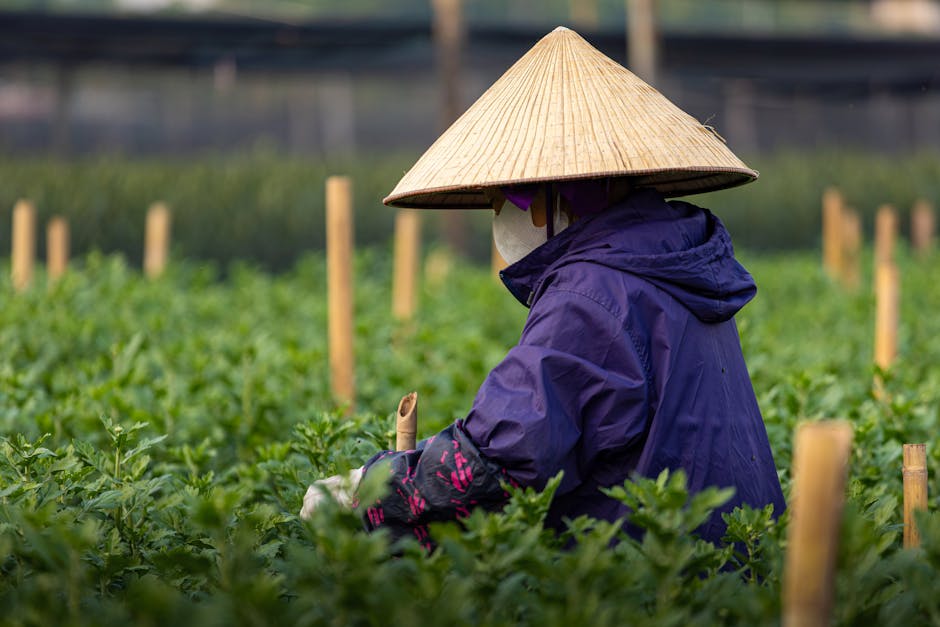
Autonomous tractors and machinery are becoming more common. These vehicles can perform tasks such as planting, plowing, and harvesting with minimal human intervention. Equipped with GPS and advanced sensors, they operate with high precision, reducing errors and improving efficiency.
Robotic systems are also being used for more specialized tasks. For example, robotic harvesters can pick fruits and vegetables with remarkable accuracy, minimizing damage and reducing waste. In livestock farming, automated feeding and monitoring systems ensure that animals receive consistent care.
Vertical farming and controlled-environment agriculture represent another frontier of innovation. By growing crops in indoor facilities with controlled lighting, temperature, and humidity, farmers can produce food year-round, regardless of external conditions. This approach is particularly valuable in urban areas, where space is limited and demand for fresh produce is high.
Digital platforms are transforming farm management as well. Farmers can now use mobile apps and cloud-based systems to track operations, manage finances, and connect with suppliers and buyers. This increased connectivity enhances efficiency and opens up new market opportunities.
Despite these advancements, the human element remains essential. Technology is not replacing farmers but augmenting their capabilities. Training and education are critical to ensuring that farmers can effectively use new tools and adapt to changing conditions.
Looking ahead, the trajectory of agricultural innovation suggests continued integration of technology, sustainability, and efficiency. As these trends converge, the sector is likely to become more resilient, productive, and environmentally responsible.
The improvements seen in 2026 highlight the potential of modern agriculture to address some of the world’s most pressing challenges. By embracing innovation while maintaining a focus on sustainability, farmers are shaping a future in which food production can meet global demand without compromising the health of the planet.