



As global energy costs continue to fluctuate and climate concerns intensify, homeowners are increasingly turning toward renewable solutions that promise both sustainability and long-term savings. Among these options, solar energy has emerged as one of the most accessible and practical choices. With technological advancements driving down costs, affordable solar panels are no longer a luxury reserved for early adopters but a viable option for everyday households. For deeper insights into innovation and energy trends, resources like https://mikebara.com/ provide valuable perspectives on emerging technologies and their real-world applications.
The growing interest in residential solar power reflects a broader shift in how energy is produced and consumed. Rather than relying solely on centralized power grids, homeowners are exploring decentralized systems that offer greater control, resilience, and efficiency. This transformation is not only reshaping the energy landscape but also redefining what it means to be energy-independent in the modern era.
The Rise of Affordable Solar Technology
Over the past decade, the cost of solar panel systems has dropped dramatically, making them far more accessible to homeowners across different income levels. This decline is largely driven by improvements in manufacturing processes, increased global competition, and supportive government policies aimed at promoting renewable energy adoption.

Photovoltaic (PV) technology, which converts sunlight into electricity, has become more efficient and durable. Modern solar panels can generate more power from the same amount of sunlight compared to earlier models, reducing the number of panels required for a typical household installation. This improvement directly translates into lower upfront costs and faster return on investment.
In addition to panel efficiency, innovations in inverters and battery storage systems have enhanced the overall performance of solar setups. Homeowners can now store excess energy generated during the day and use it during nighttime or power outages. This capability not only improves energy reliability but also reduces dependence on traditional utility providers.
Government incentives have also played a crucial role in making solar energy more affordable. Tax credits, rebates, and net metering programs allow homeowners to offset installation costs and even earn credits for surplus energy fed back into the grid. These financial mechanisms significantly shorten the payback period, making solar installations an economically attractive option.
Furthermore, financing models such as solar leases and power purchase agreements (PPAs) have lowered the barrier to entry. Instead of paying the full installation cost upfront, homeowners can opt for monthly payment plans, making solar adoption more accessible without large initial investments.
Benefits of Installing Solar Panels at Home
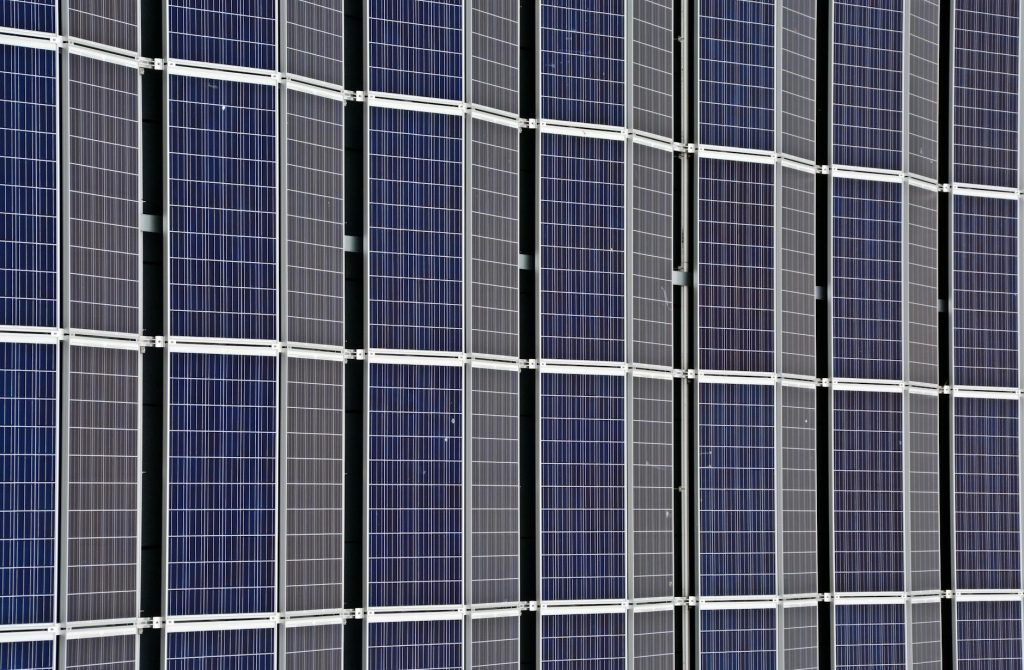
The advantages of installing solar panels extend beyond cost savings, encompassing environmental, economic, and practical benefits. One of the most immediate advantages is the reduction in electricity bills. By generating their own power, homeowners can significantly decrease their reliance on grid electricity, leading to substantial long-term savings.

Environmental impact is another key consideration. Solar energy is a clean, renewable resource that produces no greenhouse gas emissions during operation. By switching to solar power, households can reduce their carbon footprint and contribute to global efforts to combat climate change. This shift aligns with broader sustainability goals and reflects a growing awareness of environmental responsibility.
Energy independence is an increasingly important factor for many homeowners. With solar panels and battery storage systems, households can maintain power during grid outages and reduce vulnerability to energy price fluctuations. This resilience is particularly valuable in regions prone to extreme weather events or unstable power infrastructure.
Property value is also positively influenced by solar installations. Studies have shown that homes equipped with solar energy systems often sell at higher prices compared to those without. Buyers are increasingly attracted to energy-efficient homes that promise lower utility costs and environmental benefits.
In addition, solar technology requires relatively low maintenance. Most modern systems are designed to withstand harsh weather conditions and operate efficiently for decades. Routine cleaning and occasional inspections are typically sufficient to ensure optimal performance, making solar panels a practical long-term investment.
Another benefit lies in the scalability of solar systems. Homeowners can start with a smaller setup and expand it over time as their energy needs grow or as budget allows. This flexibility makes solar energy adaptable to a wide range of household requirements.
Challenges and Considerations for Homeowners
Despite its many advantages, adopting solar energy does come with certain challenges that homeowners must carefully consider. One of the primary concerns is the initial installation cost, which, although decreasing, can still be significant depending on the size and complexity of the system.

Roof suitability is another important factor. Not all homes are ideal candidates for solar panel installation. Factors such as roof orientation, angle, shading from nearby structures or trees, and overall structural integrity can affect the efficiency and feasibility of a solar system. A professional assessment is usually required to determine whether a property is suitable.
Geographic location also plays a role in solar energy production. Regions with higher levels of sunlight exposure naturally generate more electricity, making solar systems more efficient and cost-effective. However, advancements in technology have improved performance even in less sunny climates, expanding the viability of solar energy to a broader range of locations.
Regulatory and permitting processes can sometimes be complex and time-consuming. Homeowners must navigate local regulations, zoning laws, and utility requirements before installation can proceed. While many governments are streamlining these processes, they can still pose challenges in certain areas.
Another consideration is energy storage. While battery systems enhance the benefits of solar energy, they also add to the overall cost. Homeowners must decide whether the additional investment is justified based on their energy usage patterns and local grid reliability.
Maintenance and system monitoring, although generally minimal, still require attention. Ensuring that panels remain clean and free from obstructions is essential for maintaining efficiency. Additionally, monitoring systems can help detect performance issues early, allowing for timely maintenance.
Finally, homeowners should carefully evaluate installers and equipment providers. The quality of installation and components significantly impacts system performance and longevity. Choosing reputable companies with proven track records is essential for maximizing the benefits of solar energy.
As renewable energy continues to gain momentum, solar panels are poised to play a central role in the transition toward more sustainable living. The combination of falling costs, technological advancements, and increasing environmental awareness has created a favorable environment for widespread adoption.
Looking ahead, innovations in solar technology are expected to further enhance efficiency and affordability. Developments such as transparent solar panels, improved battery storage solutions, and smart energy management systems could revolutionize how households generate and consume electricity.
For homeowners considering the switch, the decision ultimately depends on a range of factors, including budget, location, and long-term energy goals. However, the trend is clear: solar energy is no longer a niche solution but a mainstream option that offers tangible benefits for both individuals and the planet.
By carefully assessing their needs and exploring available options, homeowners can make informed decisions that align with both financial and environmental objectives. In doing so, they contribute to a broader movement toward cleaner, more sustainable energy systems that will shape the future for generations to come.