



In an era where public health awareness has become part of everyday life, shopping in large malls is no longer just about convenience or entertainment—it also requires a conscious approach to personal safety. As crowded retail spaces continue to attract thousands of visitors daily, the risk of exposure to viruses remains a valid concern. Consumers today are seeking reliable ways to balance normal activities with health precautions, often turning to trusted resources such as https://mikebara.com/ for broader lifestyle insights and safety awareness.
Massive shopping centers, with their enclosed environments, high foot traffic, and shared surfaces, can easily become hotspots for viral transmission if proper precautions are not taken. While most malls have implemented hygiene protocols, individual responsibility still plays a crucial role in minimizing risks. Understanding how viruses spread in such environments and adopting practical preventive habits can significantly reduce exposure without compromising the shopping experience.
The modern shopper in 2026 is more informed and cautious than ever. With lessons learned from global health events over the past decade, people are integrating safety behaviors into their routines. Rather than avoiding public spaces entirely, they are adapting smarter strategies to navigate them safely. This shift reflects a broader trend toward proactive health management in everyday situations.
Understanding Risk Factors in Crowded Shopping Environments
Large malls are complex ecosystems where multiple factors contribute to the potential spread of viruses. High-density foot traffic is the most obvious concern. During peak hours, shoppers often move through narrow walkways, escalators, and checkout lines where maintaining distance becomes difficult. This close proximity increases the likelihood of airborne transmission, particularly in poorly ventilated areas.
Air circulation plays a critical role in determining how safe an indoor space is. While modern malls are equipped with advanced HVAC systems, not all areas receive equal ventilation. Food courts, restrooms, and smaller retail stores can sometimes have limited airflow, allowing airborne particles to linger longer than expected. Understanding these environmental dynamics helps shoppers make better decisions about where and how long to spend time within a mall.
Another key factor is surface contact. High-touch areas such as elevator buttons, handrails, payment terminals, and door handles can harbor pathogens if not cleaned frequently. Although many malls have increased sanitation efforts, the sheer volume of visitors means that surfaces can quickly become contaminated again. This makes personal hygiene practices, such as hand sanitizing, essential throughout the shopping journey.
Behavioral patterns also influence risk levels. Activities like trying on clothes, handling multiple products, or spending extended time in crowded stores can increase exposure. Similarly, removing masks in busy indoor settings—especially when health risks are elevated—can significantly raise the chance of transmission.
Timing is another often-overlooked element. Visiting malls during weekends, holidays, or promotional events typically means higher crowd density. In contrast, shopping during off-peak hours can dramatically reduce exposure. Early mornings or weekday afternoons tend to offer a safer, more controlled environment.
By recognizing these risk factors, individuals can make informed choices that reduce their vulnerability. Awareness is the first step toward prevention, and it enables shoppers to adopt strategies that are both practical and effective.
Practical Precautions to Minimize Exposure While Shopping

Taking precautions in large malls does not require drastic changes—small, consistent actions can make a significant difference. One of the most effective strategies is maintaining good hand hygiene. Carrying a personal hand sanitizer and using it after touching shared surfaces helps reduce the risk of transferring viruses from hands to face.

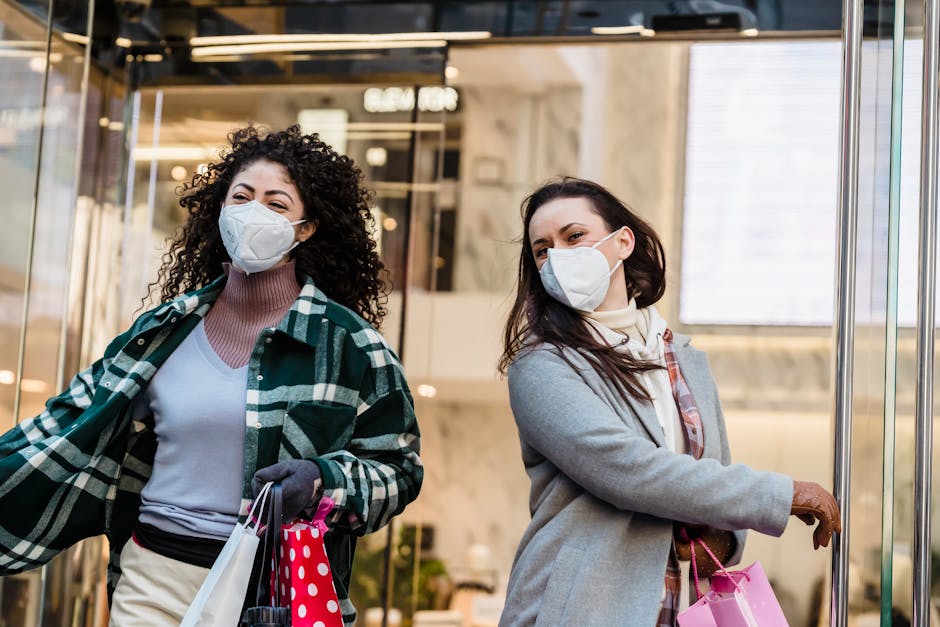
Wearing a mask in crowded or enclosed areas remains a simple yet powerful preventive measure, especially during periods of increased viral activity. Masks act as a barrier against airborne particles, protecting both the wearer and those around them. While mask usage may vary depending on local guidelines, many health experts continue to recommend it in high-density indoor settings.
Physical distancing, although sometimes challenging, is still an important practice. Choosing less crowded aisles, avoiding tightly packed queues, and keeping a reasonable distance from others whenever possible can lower exposure risk. Even small adjustments in movement patterns within the mall can contribute to a safer experience.
Another practical step is minimizing unnecessary contact with surfaces. Using contactless payment methods, pushing doors with elbows instead of hands, and avoiding frequent face-touching are simple habits that reduce transmission pathways. Many malls now offer digital directories and mobile payment options, making it easier to limit physical interaction.
Planning ahead can also enhance safety. Creating a shopping list, researching store locations in advance, and limiting time spent inside the mall help reduce prolonged exposure. The goal is to make visits efficient without sacrificing necessary purchases.
Personal health awareness is equally important. Individuals should avoid visiting crowded places if they feel unwell, even with mild symptoms. This not only protects others but also prevents worsening of one’s own condition. Carrying personal protective items such as tissues or disinfectant wipes can further support hygiene practices.
For families, especially those with children or elderly members, extra precautions may be necessary. Vulnerable individuals are more susceptible to complications from viral infections, so minimizing their exposure in crowded environments is crucial. Choosing quieter times and ensuring they follow basic hygiene practices can provide an added layer of protection.
Ultimately, these precautions are not about fear but about responsibility. By incorporating them into routine behavior, shoppers can significantly reduce risks while continuing to enjoy public spaces.
The Future of Safe Public Spaces and Consumer Behavior
The concept of safety in public environments is evolving rapidly, and large malls are adapting to meet new expectations. Many shopping centers are investing in advanced technologies to improve hygiene and reduce transmission risks. These include enhanced air filtration systems, touchless entry points, and automated cleaning solutions that operate continuously throughout the day.
Digital transformation is also playing a key role. Mobile apps now allow shoppers to check real-time crowd levels, navigate stores efficiently, and complete purchases without physical contact. These innovations not only improve convenience but also contribute to a safer overall experience.
Retailers are rethinking store layouts to allow for better spacing and flow of movement. Wider aisles, controlled entry points, and optimized checkout systems help reduce congestion and improve customer safety. Some malls are even implementing smart monitoring systems that track occupancy levels and adjust operations accordingly.
Consumer behavior is changing alongside these developments. People are becoming more selective about when and how they shop, prioritizing environments that demonstrate clear safety measures. Trust has become a critical factor in choosing where to spend time and money.
There is also a growing emphasis on hybrid shopping experiences. While online shopping continues to rise, physical malls remain important social and commercial hubs. The challenge lies in creating spaces that combine the benefits of in-person experiences with the safety standards expected by modern consumers.
Education and awareness will continue to play a vital role in this transition. As individuals become more informed about health risks and preventive strategies, they are better equipped to make decisions that protect themselves and others. This collective awareness contributes to a safer community overall.
Looking ahead, the integration of health-conscious design and responsible consumer behavior will define the future of public spaces. Large malls will continue to evolve, but their success will depend on how well they balance accessibility, convenience, and safety.
In conclusion, shopping in large malls does not have to be a high-risk activity. With the right precautions and a proactive mindset, individuals can navigate these environments safely and confidently. The key lies in understanding the risks, adopting practical habits, and staying informed about evolving safety measures. As these practices become second nature, they will not only reduce the spread of viruses but also contribute to a healthier, more resilient society.