



In recent years, consumer behavior has increasingly intersected with social justice movements, transforming everyday purchases into powerful expressions of values. One of the most visible examples of this shift is the growing support for Black-owned businesses and BLM-designated stores, particularly in the fashion industry. As more individuals seek to align their spending with their beliefs, buying clothes from these stores has become more than a style decision—it is a form of activism. Resources and discussions around conscious consumerism, such as those found on platforms like https://mikebara.com/, reflect a broader cultural movement toward ethical and socially responsible choices.
The rise of socially conscious shopping reflects a deeper awareness of systemic inequality and economic disparity. For decades, Black-owned businesses have faced structural barriers, including limited access to funding, supply chains, and mainstream visibility. The Black Lives Matter movement brought renewed attention to these inequities, encouraging consumers to rethink where and how they spend their money. In doing so, it reframed purchasing decisions as opportunities to support marginalized communities and drive meaningful change.
Fashion, as both a cultural and economic force, plays a central role in this transformation. Clothing is not only a necessity but also a medium of self-expression. When consumers choose to buy from BLM-designated stores, they are not only supporting Black entrepreneurs but also amplifying voices and narratives that have historically been underrepresented. This shift has helped reshape the fashion landscape, creating space for more diverse perspectives and innovative designs rooted in cultural identity.
Economic Empowerment and Community Impact
One of the most direct ways that buying clothes from BLM-designated stores supports the movement is through economic empowerment. Every purchase contributes to the financial stability and growth of Black-owned businesses, helping to close longstanding wealth gaps. In many communities, these businesses serve as vital economic anchors, providing jobs, fostering entrepreneurship, and reinvesting in local development.
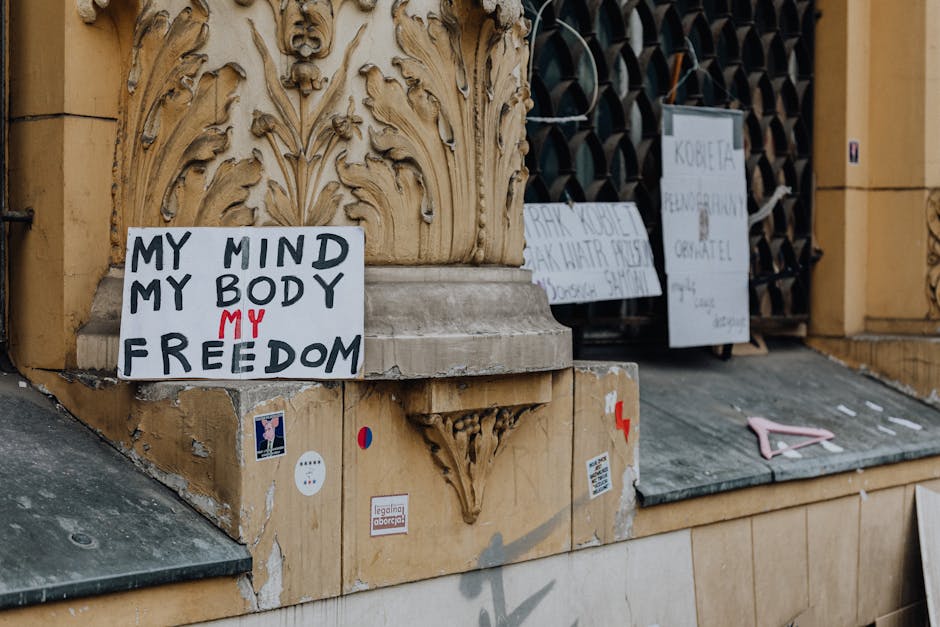
Economic empowerment is a critical component of social justice. When communities have access to financial resources, they gain greater autonomy and resilience. Supporting Black-owned fashion brands helps circulate money within these communities, creating a multiplier effect that extends beyond individual transactions. This economic activity can lead to improved infrastructure, better educational opportunities, and increased access to essential services.
Moreover, the visibility generated by consumer support can open doors to broader opportunities. As demand for products from BLM-designated stores increases, these businesses are more likely to attract partnerships, media attention, and investment. This exposure not only benefits individual brands but also challenges industry norms that have historically excluded diverse voices.
The impact is particularly significant in the fashion industry, where representation has often been limited. By supporting Black designers and retailers, consumers help disrupt traditional power structures and promote a more inclusive marketplace. This shift encourages larger brands and institutions to reevaluate their practices, leading to more equitable hiring, sourcing, and marketing strategies.
Importantly, economic support also enables creative freedom. When Black-owned brands have the resources to thrive, they can take risks, experiment with new ideas, and tell authentic stories through their designs. This creative expression enriches the fashion industry as a whole, offering consumers a wider range of styles and perspectives.
Cultural Representation and Narrative Change

Beyond economic impact, buying clothes from BLM-designated stores plays a crucial role in reshaping cultural narratives. Fashion has always been a reflection of society, and the inclusion of diverse voices helps create a more accurate and inclusive representation of the world.
For many Black designers, clothing is a way to celebrate heritage, identity, and lived experiences. Their work often incorporates cultural symbols, historical references, and contemporary social themes, creating pieces that carry deeper meaning. When consumers choose these brands, they are not only purchasing garments but also engaging with stories that challenge stereotypes and broaden understanding.
This shift in representation has far-reaching implications. Media and fashion platforms increasingly highlight Black-owned brands, bringing their work to global audiences. This visibility helps counteract decades of underrepresentation and misrepresentation, allowing for more nuanced and authentic portrayals of Black culture.
In addition, the popularity of BLM-designated stores has encouraged conversations about cultural appropriation and appreciation. Consumers are becoming more mindful of the origins of the styles they wear and the importance of supporting the communities that create them. This awareness fosters a more respectful and informed approach to fashion, where credit and compensation are given where they are due.
The influence of these brands extends beyond aesthetics. Many incorporate social messages into their designs, using fashion as a platform for advocacy. Slogans, imagery, and design elements often reflect themes of justice, equality, and empowerment. By wearing these pieces, consumers become part of a larger dialogue, helping to spread awareness and inspire change.
Furthermore, the success of Black-owned fashion businesses challenges long-standing biases within the industry. It demonstrates that diversity is not only ethically important but also commercially viable. This realization encourages greater inclusivity across all levels of the fashion ecosystem, from design and production to marketing and retail.
Conscious Consumerism as Modern Activism
The growing trend of supporting BLM-designated stores reflects a broader shift toward conscious consumerism. In an era where information is readily accessible, consumers are more aware of the social and environmental impact of their choices. This awareness has led to a redefinition of activism, where everyday actions—such as shopping—become meaningful contributions to larger causes.

Conscious consumerism is rooted in the idea that spending money is a form of voting. Each purchase signals support for certain values, practices, and communities. By choosing to buy from Black-owned fashion brands, consumers actively participate in promoting equity and inclusion. This form of activism is both accessible and scalable, allowing individuals to make a difference through routine decisions.
Technology has played a significant role in enabling this shift. Social media platforms, online directories, and digital marketplaces make it easier than ever to discover and support BLM-designated stores. Campaigns and hashtags have helped amplify these businesses, creating a sense of community and shared purpose among consumers.
At the same time, this trend has encouraged greater accountability among brands. Consumers are increasingly demanding transparency regarding sourcing, labor practices, and corporate values. This pressure has led many companies to adopt more ethical and inclusive practices, contributing to systemic change within the industry.
However, conscious consumerism also requires sustained commitment. While moments of heightened awareness can drive initial support, long-term impact depends on consistent engagement. This means continuing to prioritize Black-owned businesses beyond periods of social unrest and integrating these choices into everyday habits.
Education is another key component. Understanding the historical and social context behind the movement helps consumers make more informed decisions. It also fosters empathy and a deeper connection to the causes they support. As awareness grows, so does the potential for collective action and meaningful progress.
Ultimately, buying clothes from BLM-designated stores is about more than fashion. It is a tangible way to support economic equity, promote cultural representation, and participate in a broader movement for social justice. While no single action can solve systemic issues, collective efforts can drive significant change over time.
As the relationship between consumers and brands continues to evolve, the importance of intentional choices becomes increasingly clear. By aligning purchasing habits with values, individuals can contribute to a more inclusive and equitable future. In this context, fashion becomes not just a reflection of personal style, but a statement of purpose and a catalyst for change.