
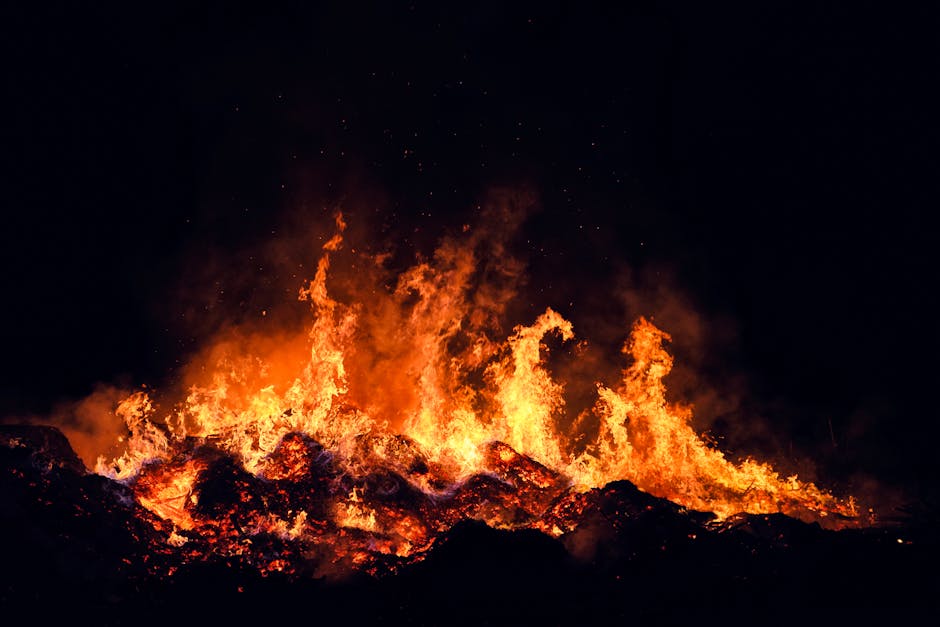


In the midst of one of California’s most devastating wildfire seasons, a photographer stepped into landscapes defined by destruction, resilience, and raw human emotion. While most people fled the flames, he moved toward them—documenting not just the fire itself, but the lives disrupted in its wake. His work, now gaining wider attention through platforms like https://mikebara.com/, offers a rare, unfiltered look at the intersection of climate, crisis, and humanity in 2026.
Wildfires in California have become more frequent and more intense over the past decade, fueled by prolonged drought, rising temperatures, and shifting weather patterns. Entire communities have been displaced, ecosystems altered, and the cost—both human and environmental—continues to rise. Yet amid the devastation, visual storytelling has emerged as one of the most powerful tools for capturing the reality of these events. Photography, in particular, has the ability to freeze fleeting moments of chaos and transform them into lasting records of truth.
The photographer at the center of this story did not set out to chase danger for its own sake. Instead, his motivation was rooted in a desire to document reality as it unfolded. Armed with minimal gear and a clear sense of purpose, he traveled into evacuation zones, fire perimeters, and temporary shelters. His images reveal not only the scale of destruction but also the quieter, often overlooked moments—families waiting in uncertainty, firefighters resting between shifts, and landscapes caught between life and ash.
Documenting the Firefront: Risk, Responsibility, and Real-Time Storytelling
Capturing images in active wildfire zones requires more than technical skill; it demands a deep understanding of risk and responsibility. Conditions change rapidly, with winds shifting direction and flames spreading unpredictably. For photographers working in these environments, safety is always the first priority. Protective equipment, constant communication with emergency services, and situational awareness are essential.
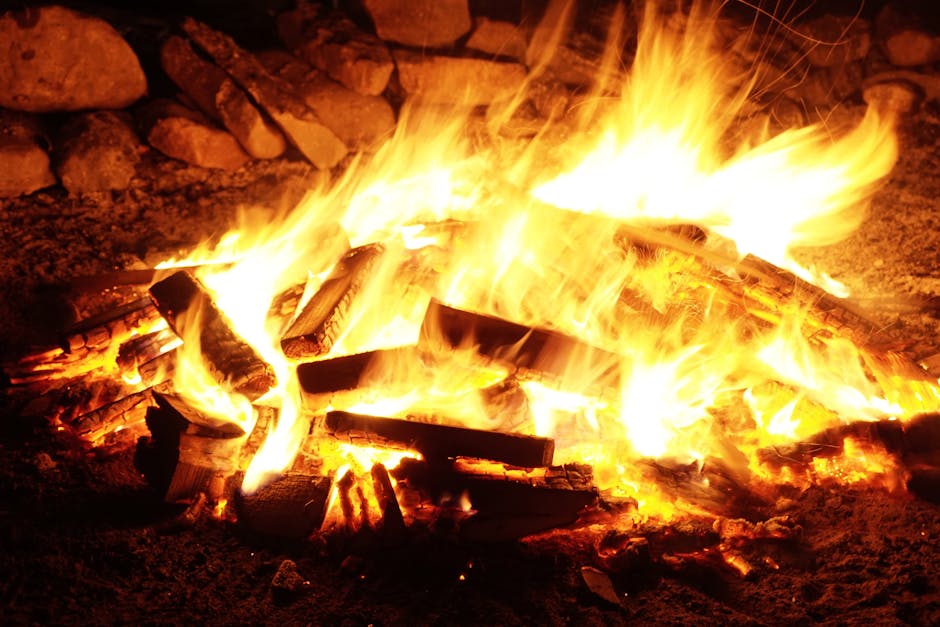
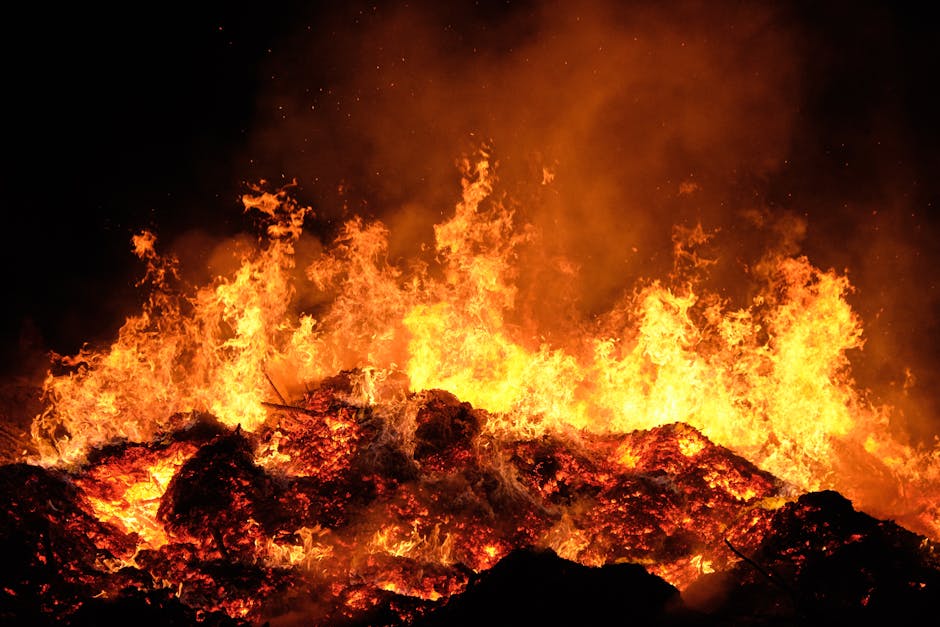
Despite these challenges, the photographer chose to remain close to the firefront. His goal was to document the immediate impact of the fires—how they move, how they consume, and how they reshape entire regions within hours. One of his most striking images shows a hillside glowing under an orange sky, with embers carried by the wind like sparks from a forge. Another captures a lone firefighter silhouetted against a wall of flame, highlighting both the scale of the disaster and the human effort to contain it.
These images serve a dual purpose. On one hand, they provide visual evidence of the intensity and unpredictability of modern wildfires. On the other, they challenge viewers to confront the broader implications of climate change. By placing audiences at the edge of the fireline, the photographer transforms distant headlines into immediate, visceral experiences.
Real-time storytelling has become increasingly important in the digital age. Images captured during the fires were often shared within hours, reaching global audiences through social media and news platforms. This immediacy helps shape public perception and can influence everything from policy discussions to emergency response strategies. In this sense, the photographer’s work is not just artistic—it is also deeply informational.
Human Stories Behind the Flames: Loss, Survival, and Resilience
While images of burning forests and collapsing structures dominate coverage of wildfires, the photographer’s work places equal emphasis on the people affected. His lens often turns away from the flames and toward the individuals navigating their aftermath. These moments reveal a different kind of intensity—one defined by uncertainty, grief, and resilience.
In evacuation centers, he documented families sitting quietly with what little they could carry. Children clutched pets and belongings, while parents checked phones for updates that rarely brought clarity. In one photograph, an elderly couple stands outside a temporary shelter, their expressions a mix of exhaustion and disbelief. Their home, built over decades, had been reduced to ash within hours.
The photographer also spent time with firefighters and emergency responders, capturing the physical and emotional toll of their work. Images of soot-covered faces, brief moments of rest, and silent camaraderie highlight the human effort behind every containment line. These are not just scenes of action but of endurance—evidence of the sustained commitment required to confront such disasters.
What makes these photographs particularly compelling is their restraint. There is no attempt to dramatize or exaggerate. Instead, the photographer allows the scenes to speak for themselves, presenting them with clarity and respect. This approach aligns with a journalistic style that prioritizes accuracy over spectacle, ensuring that the subjects are represented with dignity.
The emotional impact of these images extends beyond those directly affected. For viewers, they offer a window into experiences that might otherwise remain abstract. By focusing on individual stories, the photographer bridges the gap between large-scale events and personal realities, making the consequences of wildfires more tangible and immediate.
Climate Reality and the Power of Visual Evidence
The increasing severity of California’s wildfires is widely recognized as part of a broader pattern linked to climate change. Rising temperatures, reduced snowpack, and prolonged dry seasons have created conditions that allow fires to ignite more easily and spread more rapidly. While scientific data provides essential context, visual documentation plays a crucial role in communicating these changes to the public.
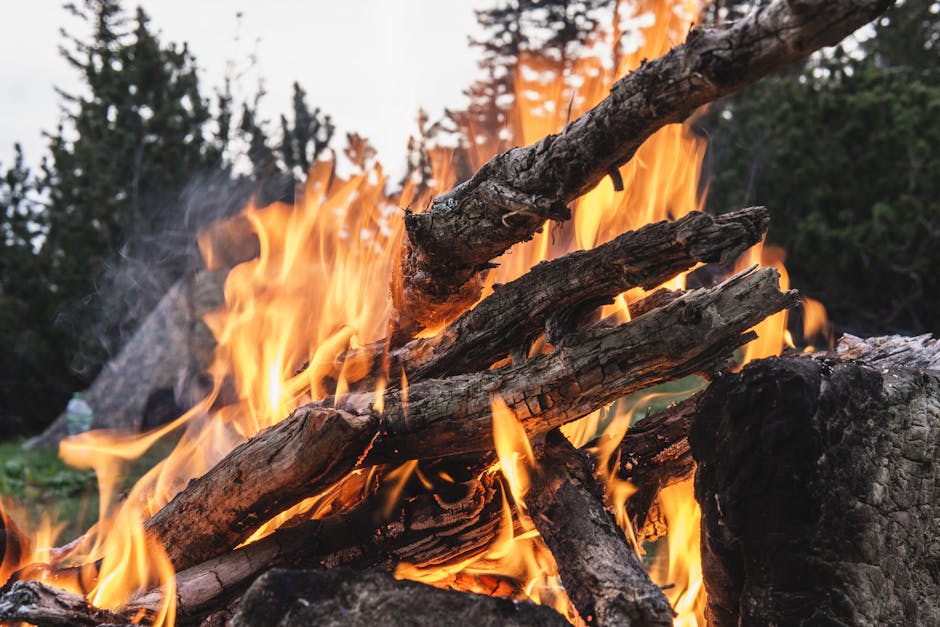
The photographer’s work contributes to this understanding by offering concrete, observable evidence. Burned landscapes, smoke-filled skies, and altered ecosystems are not abstract concepts—they are visible realities captured in detail. In one series of images, a once-dense forest appears transformed into a field of charred trunks, with the ground covered in ash. The contrast between before and after is stark, underscoring the long-term impact of these events.
These visuals also raise important questions about preparedness and adaptation. As wildfires become more frequent, communities must reconsider how they build, where they live, and how they respond to emergencies. The photographer’s images, while not prescriptive, encourage reflection on these issues by showing what is at stake.
At the same time, his work highlights moments of recovery and resilience. New growth emerging from burned soil, communities coming together to rebuild, and individuals finding ways to move forward all appear within his portfolio. These elements do not diminish the severity of the fires but provide a more complete picture of their aftermath.
In the broader context of journalism, photography remains one of the most effective ways to document complex events. It captures details that might be lost in written descriptions and conveys emotions that statistics alone cannot express. In the case of California’s wildfires, this visual record is particularly important, as it helps preserve an accurate account of events that will shape environmental and policy discussions for years to come.
The photographer’s decision to work in such challenging conditions reflects a commitment to documenting reality, even when it is difficult to witness. His images do not offer easy answers or simplified narratives. Instead, they present a nuanced view of a crisis that continues to evolve, shaped by both natural forces and human decisions.
As California faces ongoing wildfire risks, the role of visual storytellers will remain essential. Their work not only informs but also challenges audiences to engage more deeply with the issues at hand. Through careful observation and honest representation, photographers like him contribute to a broader understanding of events that might otherwise be reduced to headlines.
In the end, the significance of these images lies not just in what they show, but in what they prompt viewers to consider. They serve as a reminder that behind every wildfire statistic are real people, real places, and real consequences. By documenting these realities with clarity and integrity, the photographer has created a body of work that resonates far beyond the firelines of California.