


In an industry where fashion, music, and personal branding increasingly intersect, unexpected stories sometimes capture public imagination in ways traditional narratives cannot. One such story centers on a female hairdresser from New York who reportedly gained widespread attention after being associated with a “Best Dressed” moment at the Grammy Awards—an unusual crossover between backstage artistry and front-stage recognition. For readers interested in unique cultural stories and behind-the-scenes perspectives, platforms like https://mikebara.com/ offer a broader lens into unconventional success narratives shaping today’s media landscape.
While the Grammy Awards are primarily known for honoring musical excellence, they have also evolved into a global stage for fashion statements. Celebrities, stylists, and designers collaborate to create looks that often dominate headlines as much as the awards themselves. Within this ecosystem, professionals who typically remain behind the scenes—such as hairdressers and makeup artists—play a pivotal role in defining visual identity.
The story of a New York-based hairdresser entering the spotlight reflects a broader shift in how recognition is distributed in the entertainment industry. It highlights how the boundaries between creative professions are becoming increasingly fluid, allowing individuals from non-traditional backgrounds to gain visibility on major stages.
The Expanding Influence of Beauty Professionals in Entertainment
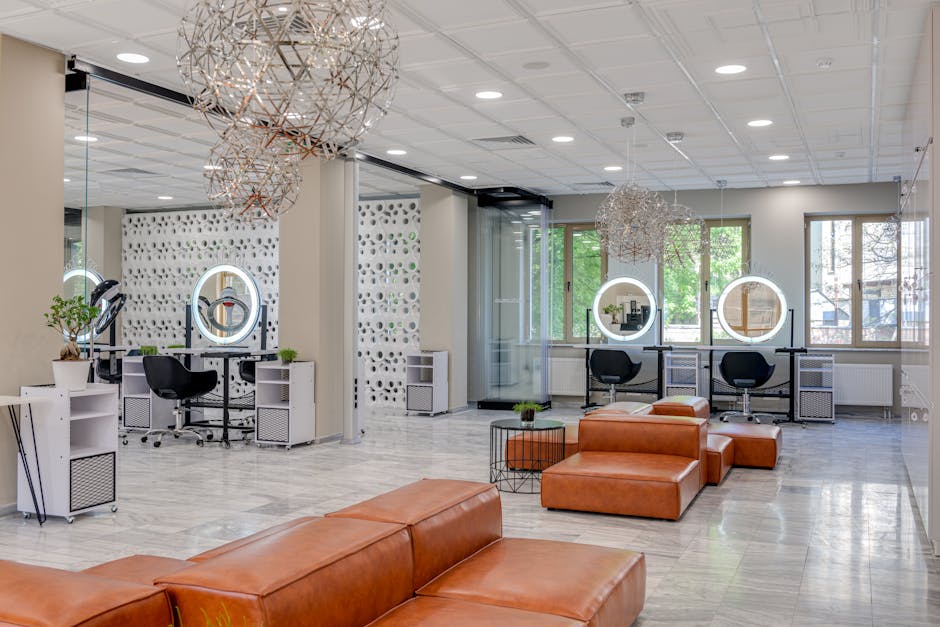
Hairdressers have long been essential to the entertainment world, shaping the public image of artists, actors, and performers. However, their contributions have historically been acknowledged only within industry circles. In recent years, that dynamic has changed significantly.
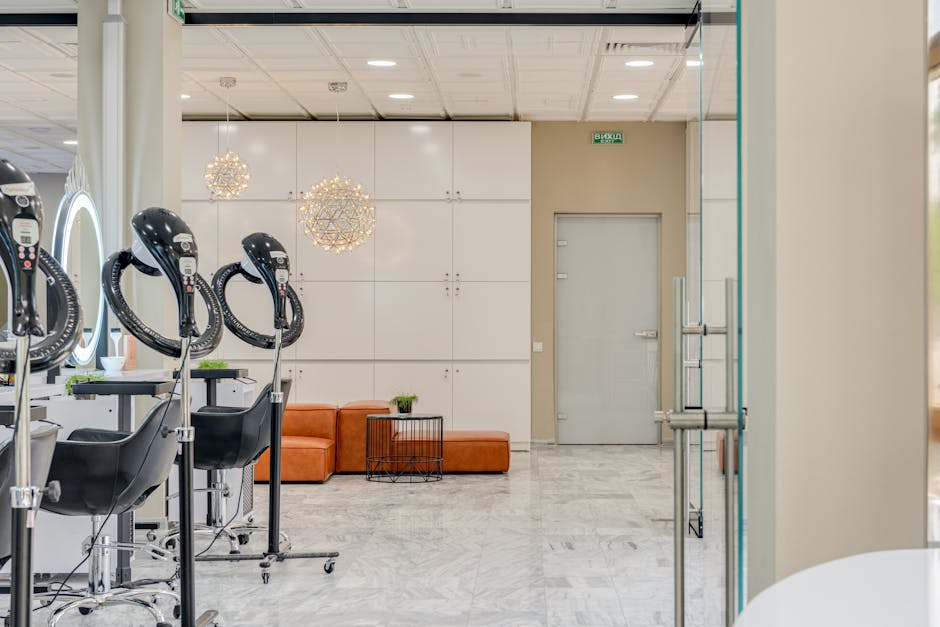
Social media has played a central role in elevating beauty professionals. Platforms like Instagram and TikTok allow stylists to showcase their work directly to global audiences, building personal brands that rival those of their celebrity clients. This visibility has translated into new opportunities, from collaborations with luxury fashion houses to appearances at high-profile events.
In the case of the New York hairdresser linked to a Grammy “Best Dressed” moment, the recognition appears to stem not from a formal award category—since the Grammys do not traditionally include one—but from widespread media and public acclaim. Fashion commentators, online publications, and viewers often highlight standout looks, effectively creating unofficial accolades that carry significant cultural weight.
This phenomenon underscores the growing importance of visual storytelling in entertainment. A carefully crafted hairstyle can complement an outfit, reinforce an artist’s identity, and even become a defining feature of a memorable appearance. As a result, hairdressers are increasingly seen not just as technicians but as creative collaborators.
Moreover, industry recognition is beginning to reflect this shift. While the Grammys themselves may not formally award hairstyling, other institutions—such as film and television academies—have introduced categories that honor makeup and hair design. This broader trend suggests that the contributions of beauty professionals are gaining long-overdue acknowledgment.
The Power of a “Best Dressed” Moment on a Global Stage
The concept of “Best Dressed” has become a staple of major award shows, driven largely by media coverage and audience engagement. Red carpet appearances are now analyzed in real time, with fashion critics, influencers, and fans weighing in on every detail.
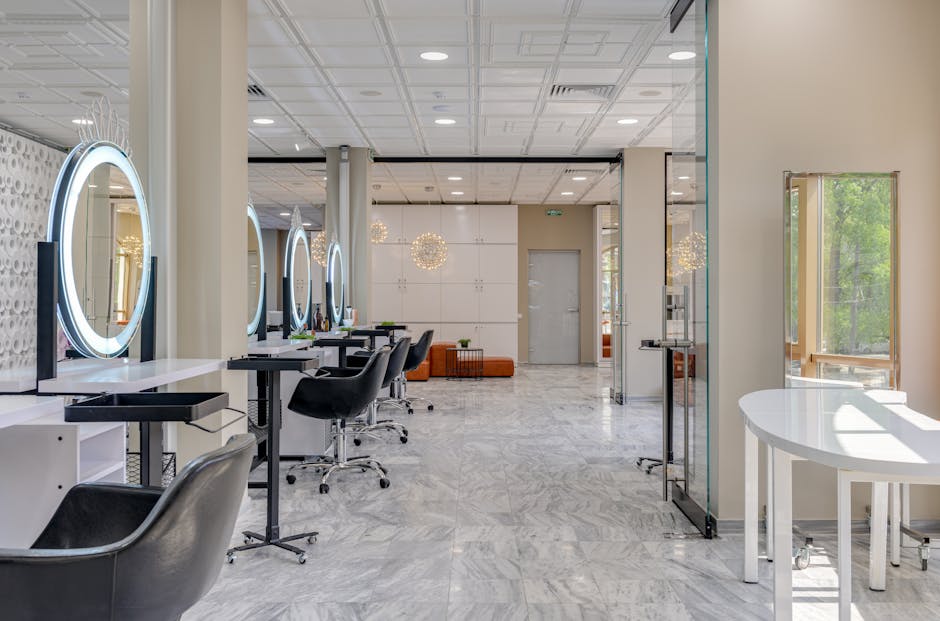
For the New York hairdresser at the center of this story, the connection to a standout Grammy look represents more than a fleeting moment of attention. It illustrates how a single event can serve as a catalyst for broader recognition. When a look resonates with audiences, it often leads to increased visibility for everyone involved—from the celebrity wearing it to the creative team behind it.
Such moments are amplified by digital media. High-resolution images, viral clips, and social media discussions can extend the lifespan of a red carpet appearance far beyond the event itself. In some cases, these moments become cultural references, influencing trends in fashion and beauty for months or even years.
The idea of a “Best Dressed” Grammy winner, even if unofficial, reflects the evolving nature of awards culture. Traditional categories are being complemented by informal recognitions that emerge organically from public discourse. These recognitions, while not accompanied by trophies, can have a significant impact on careers.
For professionals like hairdressers, this visibility can translate into tangible opportunities. Increased demand, higher-profile clients, and collaborations with major brands often follow. In this sense, a “Best Dressed” moment can function as a form of industry validation, even in the absence of formal acknowledgment.
At the same time, it raises questions about how credit is distributed. While celebrities are typically the face of these moments, the contributions of stylists and other creatives are not always fully recognized. The growing attention to behind-the-scenes professionals suggests a shift toward more inclusive recognition.
Blurring Boundaries Between Professions and Recognition
The story of a hairdresser gaining prominence through a Grammy-related moment highlights a broader trend: the blurring of boundaries between different creative professions. In today’s entertainment landscape, collaboration is key, and success often depends on the seamless integration of multiple disciplines.
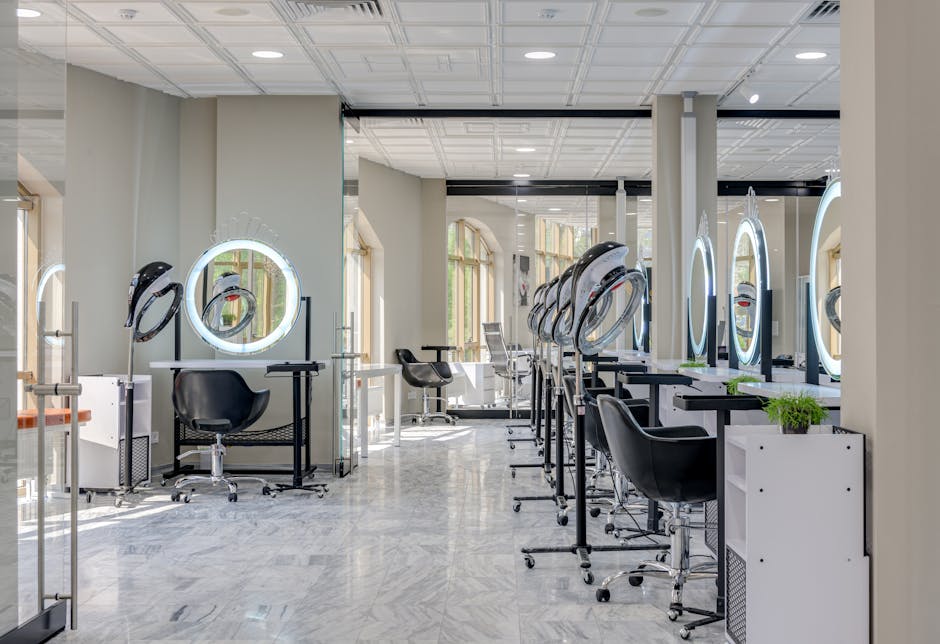
Fashion designers, stylists, makeup artists, and hairdressers work together to create cohesive looks that align with an artist’s brand and the event’s aesthetic. This collaborative approach challenges traditional notions of authorship and recognition, as multiple contributors shape the final outcome.
In this context, the rise of behind-the-scenes professionals into the spotlight can be seen as both a natural evolution and a response to changing audience expectations. Viewers are increasingly interested in the stories behind the scenes, seeking to understand how iconic looks are created.
The New York hairdresser’s moment of recognition also reflects the democratization of fame. With the help of digital platforms, individuals from a wide range of backgrounds can achieve visibility that was once reserved for a select few. This has opened up new pathways for career advancement and creative expression.
However, it also introduces new challenges. The pressure to maintain visibility, the competition for attention, and the need to continuously innovate can be intense. For many professionals, balancing creative integrity with commercial demands becomes a central concern.
Looking ahead, the integration of beauty professionals into mainstream recognition is likely to continue. As award shows evolve and audiences demand more inclusive narratives, there may be opportunities to formally acknowledge contributions that have traditionally been overlooked.
Ultimately, the story of a female hairdresser from New York gaining attention in connection with a Grammy “Best Dressed” moment is less about a single event and more about a shift in how creative work is valued. It highlights the importance of collaboration, the power of visual storytelling, and the growing recognition of talent beyond the spotlight.
In an era where image and identity are closely intertwined, the role of professionals who shape those elements is more significant than ever. Their work not only enhances individual appearances but also contributes to the cultural narratives that define contemporary entertainment.