



In downtown Minneapolis, where glass towers meet historic brick storefronts, a quiet creative movement is taking shape—one that doesn’t involve paint, clay, or canvas, but petals, stems, and scent. A local florist is redefining floral design, transforming everyday bouquets into intricate works of art that blur the line between craft and expression. As more people seek meaningful, aesthetic experiences in their daily lives, platforms like https://mikebara.com/ highlight how creativity continues to evolve across unexpected mediums.
This florist, working from a modest studio tucked between bustling city streets, has built a reputation not just for arranging flowers, but for telling stories through them. Each bouquet is treated as a composition, carefully constructed with intention, emotion, and a deep understanding of color, texture, and form. In a time when personalization and artistry are increasingly valued, this approach resonates with a growing audience looking for more than just decorative flowers.
The Rise of Floral Design as a Contemporary Art Form

Floral design has long been associated with celebrations—weddings, anniversaries, and holidays—but in recent years, it has undergone a transformation. No longer confined to traditional arrangements, modern floristry has embraced experimentation and artistic freedom. In cities like Minneapolis, where creative communities thrive, florists are stepping into the role of artists.
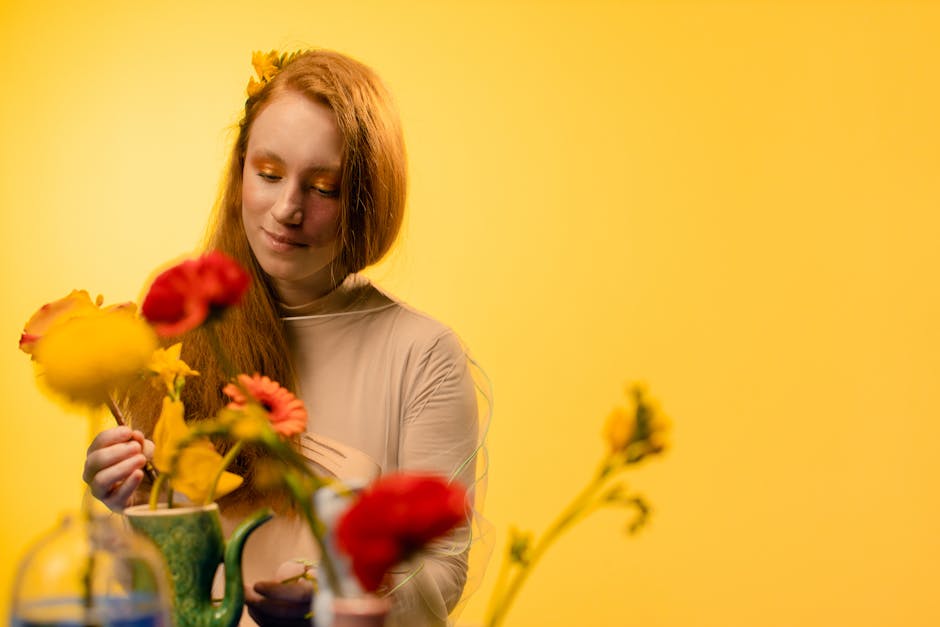
The downtown florist at the center of this story exemplifies this shift. Rather than relying on conventional bouquet structures, they approach each piece as a visual narrative. The process often begins with a concept—sometimes inspired by nature, other times by architecture, fashion, or even music. From there, flowers are selected not just for their beauty, but for how they contribute to the overall composition.
Color theory plays a central role. Soft gradients of pastel tones may evoke calm and nostalgia, while bold contrasts of deep reds and vibrant oranges can create a sense of energy and movement. Texture is equally important, with delicate petals juxtaposed against structured foliage to create depth and dimension. The result is a bouquet that feels dynamic, almost alive with intention.
This evolution reflects a broader cultural shift toward valuing craftsmanship and originality. Consumers are increasingly drawn to products that feel unique and thoughtfully made. In the context of floristry, this means moving away from mass-produced arrangements and toward bespoke creations that carry personal meaning.
Social media has also played a significant role in elevating floral design to an art form. Platforms like Instagram and Pinterest have become digital galleries where florists showcase their work, reaching audiences far beyond their local communities. The Minneapolis florist has leveraged these platforms to share behind-the-scenes glimpses of their creative process, building a following that appreciates both the final product and the artistry behind it.
Crafting Emotion Through Petals and Design
What sets this florist apart is not just technical skill, but the ability to translate emotion into visual form. Each bouquet is designed with a specific feeling in mind, whether it’s joy, comfort, celebration, or reflection. This emotional dimension is what transforms a simple arrangement into something memorable.

The creative process is both intuitive and methodical. It often begins with a conversation—understanding the client’s story, the occasion, and the message they want to convey. From there, the florist selects blooms that align with that narrative. A romantic bouquet might feature soft roses and flowing greenery, while a bold, modern arrangement could incorporate unexpected elements like dried textures or sculptural branches.
Seasonality is another key factor. Working with flowers that are in season not only ensures freshness but also allows the florist to connect more deeply with the natural rhythm of the environment. In Minneapolis, where seasons are distinct and often dramatic, this connection adds an additional layer of meaning to each piece.
There is also a strong emphasis on sustainability. As awareness of environmental impact grows, many florists are adopting eco-friendly practices, from sourcing locally grown flowers to minimizing waste in the design process. This florist is part of that movement, choosing suppliers carefully and exploring creative ways to reuse materials.
The physical act of arranging flowers is described as both calming and immersive. Each stem is placed with intention, adjusted repeatedly until the composition feels balanced. This attention to detail is what gives the bouquets their artistic quality. It’s a process that requires patience, focus, and a willingness to experiment.
Customers often describe the experience of receiving one of these bouquets as transformative. It’s not just about the visual appeal, but the feeling it evokes. In a fast-paced urban environment, where moments of beauty can be fleeting, these arrangements offer a pause—a chance to appreciate something crafted with care and creativity.
A Local Studio with a Growing Influence
While the florist’s studio remains rooted in downtown Minneapolis, its influence is expanding. What began as a small, local operation has grown into a recognized name within the broader design community. Collaborations with photographers, event planners, and even fashion brands have opened new avenues for creative expression.

Workshops and classes have also become an important part of the business. By teaching others the fundamentals of floral design, the florist is helping to cultivate a new generation of creatives. These sessions go beyond basic techniques, encouraging participants to think of flowers as a medium for artistic exploration.
The local community has played a significant role in this growth. Minneapolis has a strong culture of supporting independent artists and small businesses, creating an environment where creativity can flourish. Customers are not just purchasing products—they are investing in a vision and a story.
At the same time, the florist remains committed to maintaining a personal connection with clients. Despite increasing demand, each project is approached with the same level of care and attention. This balance between growth and authenticity is what sets the business apart in a competitive market.
Looking ahead, the future of floral design appears increasingly intertwined with broader creative industries. As boundaries between disciplines continue to blur, floristry is finding its place alongside art, fashion, and design. The work coming out of this Minneapolis studio is a clear example of how traditional crafts can evolve into contemporary forms of expression.
Ultimately, the story of this downtown florist is not just about flowers—it’s about creativity, intention, and the power of reimagining everyday objects. In transforming bouquets into art, they are redefining what it means to be a florist in 2026.